Und dann auf "Zum Home-Bildschirm [+]".

Stöbern
genialokal zum Startbildschirm hinzufügen
Installieren Sie die genialokal App auf Ihrem Startbildschirm für einen schnellen Zugriff und eine komfortable Nutzung.
Installieren Sie die genialokal App auf Ihrem Startbildschirm für einen schnellen Zugriff und eine komfortable Nutzung.

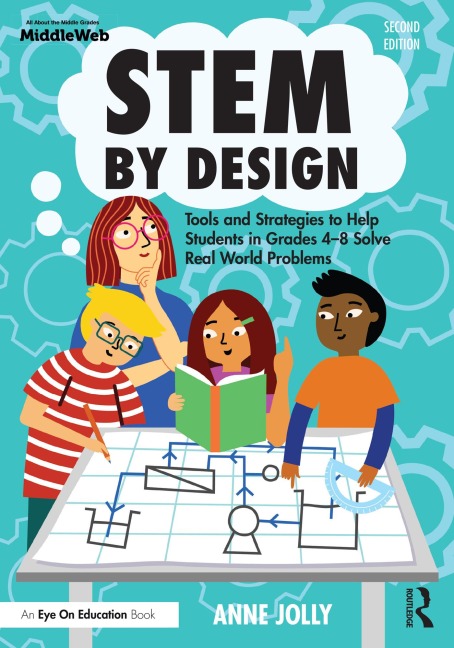
The second edition of this practical, how-to guide from expert STEM teacher Anne Jolly reveals the secrets behind designing projects that involve students in using science, math, and technology to engineer solutions for real-world problems. Fully revised and updated from the first edition, each chapter is packed with tools and strategies to help you design and lead exciting STEM projects and lessons and help your students grow into creative thinkers, innovators, and collaborators prepared for life in the 21st century. You'll learn how to: - Select engaging and relevant STEM challenges. - Design your own STEM projects using the engineering design process and other acknowledged STEM criteria. - Convert existing lessons into quality STEM projects. - Include students of different ethnicities and other underrepresented children. - Build students' abilities to work successfully in teams and practice important life skills. - Integrate technology into your projects in authentic ways. - Assess students' understanding of STEM concepts and procedures, problem-solving progress, and level of engagement in the project. - Involve students in assessing and adjusting their own progress throughout the project. Throughout this user-friendly book you'll find design tools such as checklists, activities, and assessments to aid you in designing and adapting energizing STEM lessons with your students in Grades 4-8. These tools, as well as other teacher resources, are also available as free downloads from the book website, www.stem-by-design.com.
Anne Jolly is a classroom teacher, author, STEM curriculum writer, STEM consultant, MiddleWeb blogger, and specialist in teacher professional development.
1. Why Teach STEM? 2. What is STEM Education? 3. STEM Program Variations 4. Designing a STEM Project 5. Evaluating and Adapting Existing STEM Lessons 6. Including Diverse Students in STEM 7. Leading a STEM Project 8. The Engineering Design Process 9. Selecting a STEM Challenge 10. Preparing Students for Project Success 11. Successful Student Teaming 12. Building Life and Leadership Skills 13. Integrating Technology in STEM Projects 14. Assessing Student Progress