Und dann auf "Zum Home-Bildschirm [+]".

Stöbern
genialokal zum Startbildschirm hinzufügen
Installieren Sie die genialokal App auf Ihrem Startbildschirm für einen schnellen Zugriff und eine komfortable Nutzung.
Installieren Sie die genialokal App auf Ihrem Startbildschirm für einen schnellen Zugriff und eine komfortable Nutzung.

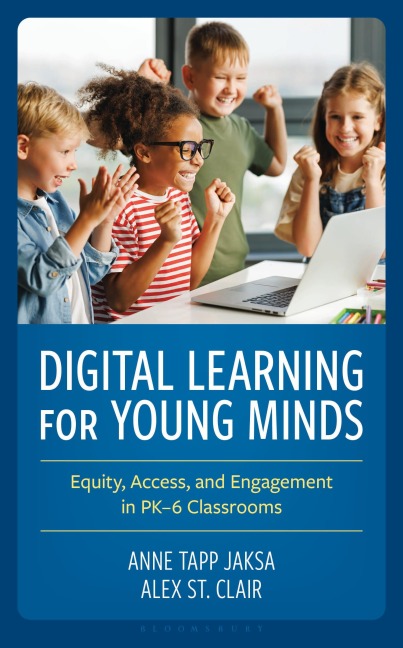
Digital Learning for Young Minds: Equity, Access, and Engagement in PK-6 Classrooms is a timely, comprehensive guide for educators navigating the evolving landscape of digital education. Grounded in research and best practices, this book offers a practical yet visionary approach to using technology to support equitable, inclusive, student-centered learning. From foundational concepts like digital citizenship and learning management systems to emerging tools such as AI-driven platforms and multimedia creation, each chapter equips teachers with strategies to foster creativity, accessibility, and critical thinking.
Designed for both pre-service and practicing educators, the book emphasizes Universal Design for Learning, inclusive instructional design, and equitable access to technology. Through authentic classroom examples, research-informed strategies, and adaptable digital tools, it provides a roadmap for creating engaging, future-ready classrooms. It invites educators to reflect on how technology, when guided by purposeful pedagogy and ethical responsibility, can expand opportunities for all learners.
ANNE TAPP JAKSA and ALEX ST. CLAIR are experienced teacher educators specializing in educational technology and inclusive pedagogy. As members of the University of Michigan Center for Digital Curriculum team, they bring expertise in curriculum design, technology integration, and teacher preparation. Together, they have led initiatives focused on AI literacy, deeply digital curricula, and equitable learning across PK-12 and higher education settings, positioning them as trusted voices in
future-ready teaching.
Foreword
Preface
Chapter 1: Standards-Information Is Power
Chapter 2: Learning Management Systems
Chapter 3: Ergonomics: The Forgotten Topic
Chapter 4: Technology Tools
Chapter 5: Designing for Digital Access and Equity
Chapter 6: Evaluating Digital Learning Resources
Chapter 7: Technology and Choice
Chapter 8: From Consumers to Creators: Empowering Learners Through Multimedia Integration
Chapter 9: Designing Learning for All Learners
Chapter 10: Digital Citizenship
Chapter 11: Artificial Intelligence (AI)
Chapter 12: Improving as a Professional
About the Authors