Und dann auf "Zum Home-Bildschirm [+]".

Stöbern
genialokal zum Startbildschirm hinzufügen
Installieren Sie die genialokal App auf Ihrem Startbildschirm für einen schnellen Zugriff und eine komfortable Nutzung.
Installieren Sie die genialokal App auf Ihrem Startbildschirm für einen schnellen Zugriff und eine komfortable Nutzung.

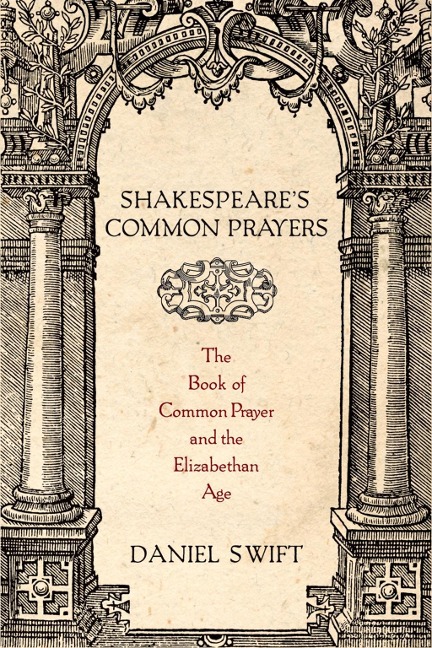
Societies and entire nations draw their identities from certain founding documents, whether charters, declarations, or manifestos. The Book of Common Prayer figures as one of the most crucial in the history of the English-speaking peoples. First published in 1549 to make accessible the devotional language of the late Henry the VIII's new church, the prayer book was a work of monumental religious, political, and cultural importance. Within its rituals, prescriptions, proscriptions, and expressions were fought the religious wars of the age of Shakespeare. This diminutive book--continuously reformed and revised--was how that age defined itself. In Shakespeare's Common Prayers, Daniel Swift makes dazzling and original use of this foundational text, employing it as an entry-point into the works of England's most celebrated writer. Though commonly neglected as a source for Shakespeare's work, Swift persuasively and conclusively argues that the Book of Common Prayer was absolutely essential to the playwright. It was in the Book's ambiguities and its fierce contestations that Shakespeare found the ready elements of drama: dispute over words and their practical consequences, hope for sanctification tempered by fear of simple meaninglessness, and the demand for improvised performance as compensation for the failure of language to fulfill its promises. What emerges is nothing less than a portrait of Shakespeare at work: absorbing, manipulating, reforming, and struggling with the explosive chemistry of word and action that comprised early modern liturgy. Swift argues that the Book of Common Prayer mediates between the secular and the devotional, producing a tension that makes Shakespeare's plays so powerful and exceptional. Tracing the prayer book's lines and motions through As You Like It, Hamlet, Twelfth Night, Measure for Measure, Othello, and particularly Macbeth, Swift reveals how the greatest writer of the age--of perhaps any age--was influenced and guided by its most important book.
Daniel Swift is a literary journalist and a professor of English at Skidmore College. He is the author of Bomber County: The Poetry of a Lost Pilot's War, which was long-listed for the Guardian First Book Award and the Samuel Johnson Prize. His writings have appeared in Financial Times, The Nation, New York Times Book Review, and Times Literary Supplement.
Prologue: A Revel with the Puritans
Chapter 1: The only book in the world
Part 1: The form of solemnization of Matrimony
Chapter 2: For better, for worse
Chapter 3: Till death us depart
Part 2: The order for the administration of the Lord's Supper, or holy Communion
Chapter 4: The Quick and the Dead
Chapter 5: A gap in our great feast
Part 3: The ministration of Baptism to be used in the Church
Chapter 6: Graceless Sacraments
Chapter 7: Above all Humane Power
Epilogue: Five or Six Words