Und dann auf "Zum Home-Bildschirm [+]".

Stöbern
genialokal zum Startbildschirm hinzufügen
Installieren Sie die genialokal App auf Ihrem Startbildschirm für einen schnellen Zugriff und eine komfortable Nutzung.
Installieren Sie die genialokal App auf Ihrem Startbildschirm für einen schnellen Zugriff und eine komfortable Nutzung.
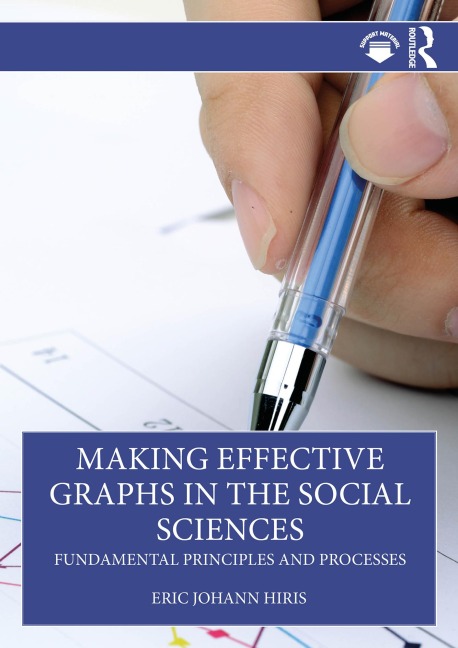
Making Effective Graphs in the Social Sciences provides the knowledge and skills for creating graphs that are easy to interpret accurately. This includes: (a) knowledge of the different types of graphs and under what circumstances each graph is appropriate, (b) knowledge of what decisions to make when choosing graph components, such as the type of axis or data symbols, and what evidence supports those decisions, and (c) how to use consistency within and across graphs to make your graphs easier to understand. In addition to developing this knowledge base, practical skills are developed for creating effective graphs in Microsoft Excel, IBM SPSS Statistics software ("SPSS"), and R. For Microsoft Excel and SPSS, this includes illustrated and annotated step-by-step instructions. Electronic resources, including full Excel and SPSS appendices and downloadable datasets hosted on the Routledge product page, support the worked examples in the book. Social science researchers and students in data-based social science courses will benefit from the focus on both knowledge and practical skills. Instructors will find the book self-contained - allowing students to make more effective graphs with minimal instructor intervention.
Eric Johann Hiris is a researcher in the Department of Psychology at the University of Ostrava, Czech Republic. He studies visual perception and cognitive psychology and has published numerous peer-reviewed journal articles on these topics. He received his BA from Oakland University and his MA and PhD from Vanderbilt University. He was previously an associate professor at St. Mary's College of Maryland, a professor at the University of Northern Iowa, and a professor at the University of Wisconsin - La Crosse.
Acknowledgement Chapter 1: Introduction Chapter 2: Statistical Review Chapter 3: What Does the Reader Need from a Graphic? Chapter 4: Guiding Principles for Graphs Chapter 5: Graphs for Describing Data Chapter 6: Graphs for Describing Correlation or Regression Chapter 7: Graphs for Comparing Different Groups Chapter 8: Graphs for Comparing One Group in Different Conditions Chapter 9: Graphs for Comparing Groups or Conditions with Multiple Independent Variables Chapter 10: Final Thoughts and Advice on Graphs (and non-Graphs). Appendix A: Common Editing Steps for Graphs in Microsoft Excel Appendix B: Using SPSS Appendix C: Using R Index