Und dann auf "Zum Home-Bildschirm [+]".

Stöbern
genialokal zum Startbildschirm hinzufügen
Installieren Sie die genialokal App auf Ihrem Startbildschirm für einen schnellen Zugriff und eine komfortable Nutzung.
Installieren Sie die genialokal App auf Ihrem Startbildschirm für einen schnellen Zugriff und eine komfortable Nutzung.



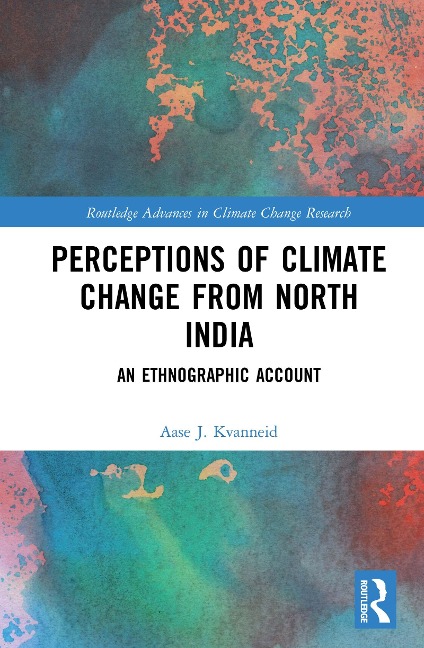
Perceptions of Climate Change from North India: An Ethnographic Account explores local perceptions of climate change through ethnographic encounters with the men and women who live at the front line of climate change in the lower Himalayas. From data collected over the course of a year in a small village in an eco-sensitive zone in North India, this book presents an ethnographic account of local responses to climate change, resource management and indigenous environmental knowledge. Aase Kvanneid's observations cast light on the precarious reality of climate change in this region and bring to the fore issues such as access to water, NGO intervention and climate information for farmers. In doing so, she also explores classic topics in the study of rural India including ritual, gender, social hierarchy and political economy. Overall, this book shows how the cause and effect of climate change is perceived by those who have the most to lose and explores how the impact of climate change is being dealt with on a local and global scale. This book will be of great interest to students and scholars of the anthropology of climate change, environmental sociology and rural development.
Aase J. Kvanneid is an anthropologist currently working as an associate professor of Global Development Studies at the University of Agder and as a postdoctoral researcher at the Department of Cultural Studies at the University of Oslo. Her main areas of research are the societal aspects of environmental and climate change, and she is currently researching the empirical embeddedness of sustainability and transcendental visions in Asia.
Prologue Introduction Climate Change in India A Scientifically Social Climate Change Writing Climate Change A Note on Methodology A Choice of Words and How They Flow References Endnotes Chapter 1: Climate Change Expressions Social Principles of Differentiation in Rani Majri Class in Rani Majri Caste in Rani Majri Gender in Rani Majri References Endnotes Chapter 2: Waterworn Becoming Rani Majri: A Kuhl Story Time Beyond Living Memory Time Remembered Contemporary Rani Majri Water-rights Unirrigated Development References Endnotes Chapter 3: Governing Awareness On Global-Local Gaps and Frictions Junctions Junction 1: Governing Bodies Junction 2: Governing Forest Junction 3: Governing Soil and Water Development Trajectories A History of Management Disconnected Development References Endnotes Chapter 4: Divine Jurisdictions Deciduous Land Management Settled Deities Placeless Beings Auspicious Placemaking Negotiating Village Territories References Endnotes Chapter 5 Climate Identities Being Climate Change Aware Life in the "Greenery" Deprived of Science, Bestowed with Eco-Sensitivity? Climate Change as a Discourse References Endnotes Chapter 6: A Dance of Global Warming Environmental Retribution for the 'Wrong' Progress On Reductionism and Disempowerment Concluding Remarks References Endnotes