Stöbern
genialokal zum Startbildschirm hinzufügen
Installieren Sie die genialokal App auf Ihrem Startbildschirm für einen schnellen Zugriff und eine komfortable Nutzung.
Installieren Sie die genialokal App auf Ihrem Startbildschirm für einen schnellen Zugriff und eine komfortable Nutzung.
Tippen Sie einfach auf Teilen:
 Und dann auf "Zum Home-Bildschirm [+]".
Ihr gewünschter Artikel ist in 0 Buchhandlungen vorrätig - wählen Sie hier eine Buchhandlung in Ihrer Nähe aus:

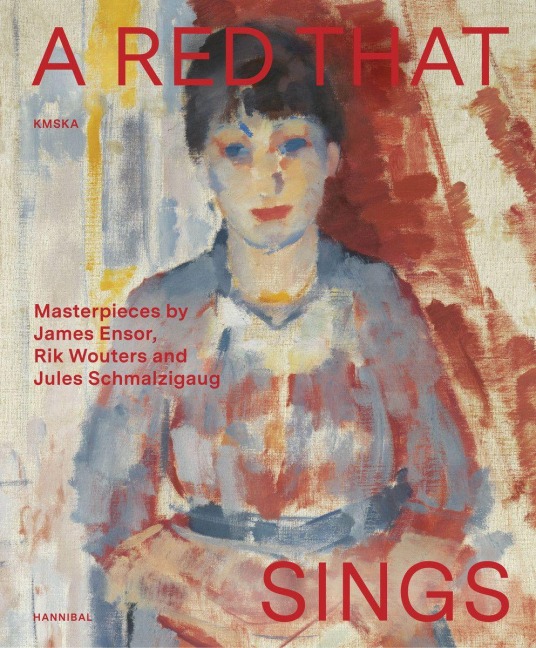
A Red that Sings celebrates colorists James Ensor, Rik Wouters, and Jules Schmalzigaug, showcasing vibrant reds, blues, and yellows, turning color into a rhythmic, emotional, and symphonic visual experience. What if colours could sing? What if you could not only see them, but hear them too? A Red that Sings transports the reader to the epicentre of Belgian modernism, where colour is more than just colour: it brings spectacle, vibrates and resonates. In the paintings of James Ensor, Rik Wouters and Jules Schmalzigaug, pigments are not silent elements but musical forces: vermilion cries out, blue clatters, yellow jangles and green blares. This book offers a compelling cultural history of colour as sound. Drawing on artists’ letters as well as art criticism, poetry, music and philosophy, it illustrates how modern artists and thinkers from Charles Baudelaire and Vincent van Gogh to Wassily Kandinsky, Alexander Scriabin and the Futurists sought synaesthetic connections between seeing and hearing. The ‘red that sings’ – a metaphor coined by Schmalzigaug – runs like a thread through a broader reflection on expression, emotion and modernity that takes in old acquaintances and modern masters, including Peter Paul Rubens and Henri De Braekeleer, as well as Adolphe Monticelli, Willem Paerels and Jean Brusselmans.
Adriaan Gonnissen is a historian and art historian. He works at the Royal Museum of Fine Arts Antwerp (KMSKA) as curator of modern art, where he develops a series of exhibitions on Belgian modernism from both international and regional perspectives. In the past, he served as curator at Mu.ZEE in Ostend, where he organized exhibitions including Cinema Joostens, Jules Schmalzigaug, and Transatlantic Modernisms: Belgium–Argentina 1910–1958.