Und dann auf "Zum Home-Bildschirm [+]".

Stöbern
genialokal zum Startbildschirm hinzufügen
Installieren Sie die genialokal App auf Ihrem Startbildschirm für einen schnellen Zugriff und eine komfortable Nutzung.
Installieren Sie die genialokal App auf Ihrem Startbildschirm für einen schnellen Zugriff und eine komfortable Nutzung.

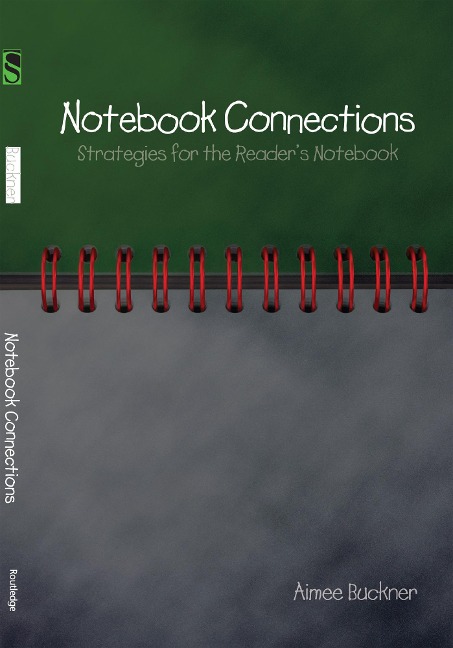
In Notebook Connections: Strategies for the Reader's Notebook , author Aimee Buckner focuses on the reading workshop and how teachers can transform students from couch potato- readers who read and answer basic questions about a text to readers who critically think beyond their reading. Buckner's fourth grade students use reader's notebooks as a place to document their thinking about a text and explore ideas without every entry being judged or graded as evidence of their reading progress. Buckner describes her model as flexible enough for students to respond in a variety of ways yet structured enough to provide explicit instruction. Inside Notebook Connections, you'll find: - Ways to launch, develop, and fine-tune a reader's notebook program - Teacher-guided lessons for each chapter - Assessment tips to review student growth and comprehension levels - How to select the strategies that work for them and incorporate into the workshop Notebook Connections provides a comprehensive model for making reader's notebooks the centerpiece of your reading workshop. Reader's notebooks become a bridge that helps students make connections between ideas, texts, strategies, and their work as readers and writers.
Aimee Buckner has taught children in grades 3-6 and is currently teaching fourth graders at Brookwood Elementary School in Georgia. As a specialist in both reading and writing instruction, she speaks at national and regional literacy conferences around the country, including NCTE and IRA. Notebook Know-How eloquently develops a process for the assessment of writer's notebooks that actively involves the students. Buckner describes a process of self-evaluation, which demands that students reread and re?ect thoughtfully on their own writing and their process of writing development. Writing self-re?ection is a highly valued skill, and its inclusion in Notebook Know-How makes this book a very strong guide for any educator interested in using writer's notebooks.
Chapter 1: Reading, Writing, and Harvesting Hope; Chapter 2: Invitations: Getting to Know Students as Readers; Chapter 3: From Comprehension Strategies to Notebooks; Chapter 4: Reading Like a Writer; Chapter 5: Beneath the Story: Discovering Hidden Layers; Chapter 6: Assessment: A Tool for Teaching in the Now