Und dann auf "Zum Home-Bildschirm [+]".

Stöbern
genialokal zum Startbildschirm hinzufügen
Installieren Sie die genialokal App auf Ihrem Startbildschirm für einen schnellen Zugriff und eine komfortable Nutzung.
Installieren Sie die genialokal App auf Ihrem Startbildschirm für einen schnellen Zugriff und eine komfortable Nutzung.
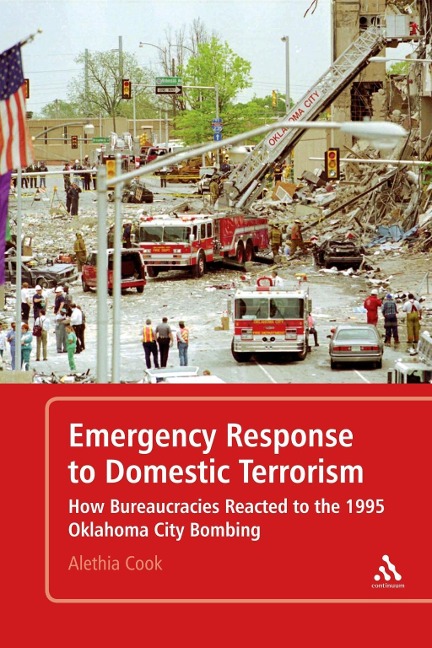
Emergency Response to Domestic Terrorism analyzes the emergency response to the bombing of the Alfred P. Murrah Federal Building in Oklahoma City on April 19, 1995.
Terrorism is a complex threat, and the American government is expected to deter or intervene in every attack. For that reason, the government must be better prepared to respond to acts of terror. One critical element is to understand what constitutes an "effective response."
To answer this key question, the author examined the existing literature and interviewed thirty-one elite participants in the emergency response to the bombing. The result is a unique qualitative case study that analyzes the response efforts undertaken after the bombing to draw conclusions about their relative success or failure.
Emergency Response to Domestic Terrorism looks at the nature and interrelationship of bureaucratic structures involved in the response, the organizational networking between the response bureaucracy, and the impact of bureaucratic culture on the response.
The work contributes to the existing literatures in both emergency response and bureaucracy. First, theoretical arguments about bureaucracies and their function are put to the test as they are applied to a specific crisis situation. Second, interview materials with key individuals who were on the scene of this American terrorist disaster are provided. Third, the emergency response literature is examined to determine whether the Oklahoma City bombing exhibited the anticipated response challenges. In addition, the work provides insights into the extent to which response communities are familiar with federal response guidelines. The overall results of the study are applicable to emergency response to terrorist incidents and to natural disasters.
By bringing together the academic and the practical aspects of emergency response, the work will appeal to students, practitioners, and policymakers. Further, it will foster better understanding of public policy and public administration in general.
Dr. Alethia Cook is Assistant Director of the Security Studies Program at East Carolina University. As
an assistant professor in the Political Science Department, Dr. Cook teaches courses in terrorism and response
to terrorism.
She has published a book and many chapters and articles on national security and federal-state-local relationships in national security decision-making.
1. Bureaucratic Response to Disasters: Issues and Methods
Introduces the challenges posed by emergency response and the threat of terrorism, and the difficulties that governments face as they prepare to respond to major disasters.
2. Disaster, Chaos, and Response: First Arrival at the Murrah Building Scence
Describes the response scene in the immediate aftermath of the 1995 bombing. Explains who was doing what from the response community, and the difficulties they encountered.
3. Emergency Response Challenges
Establishes the challenges that past emergency response activities suggested would be encountered persistently during disasters, and how they were actually encountered in the aftermath of the Oklahoma City bombing.
4. Response as a Street-Level Phenomenon
Focuses on the challenges street-level first response bureaucrats face as they attempt to address the implications of a large-scale disaster. Examines the function of bureaucratic structures, the importance of networking to successful response, and the presence of bureaucratic culture and its impact on the response.
5. Response Bureaucracies' Tasks and Goals
Discusses the role FEMA planning guidelines played in the early phases of response to the Oklahoma City bombing. Presents information about the various tasks performed during the response, with a description of the relevant tasks and goals as well as respondents' comments about the success of the actions.
6. Conclusions: Lessons Learned and Reinforced
Appendix A: Interviews Conducted
Appendix B: Interview Questionnaires
Bibliography
Index
Dieses eBook wird im PDF-Format geliefert und ist mit einem Adobe Kopierschutz (DRM) versehen. Sie können dieses eBook mit allen Geräten lesen, die das PDF-Format und den Adobe Kopierschutz (DRM) unterstützen.
Zum Beispiel mit den folgenden Geräten:
• tolino Reader
Laden Sie das eBook direkt über den Reader-Shop auf dem tolino herunter oder übertragen Sie das eBook auf Ihren tolino mit einer kostenlosen Software wie beispielsweise Adobe Digital Editions.
• Sony Reader & andere eBook Reader
Laden Sie das eBook direkt über den Reader-Shop herunter oder übertragen Sie das eBook mit der kostenlosen Software Sony READER FOR PC/Mac oder Adobe Digital Editions auf ein Standard-Lesegeräte mit epub- und Adobe DRM-Unterstützung.
• Tablets & Smartphones
Möchten Sie dieses eBook auf Ihrem Smartphone oder Tablet lesen, finden Sie hier unsere kostenlose Lese-App für iPhone/iPad und Android Smartphone/Tablets.
• PC & Mac
Lesen Sie das eBook direkt nach dem Herunterladen mit einer kostenlosen Lesesoftware, beispielsweise Adobe Digital Editions, Sony READER FOR PC/Mac oder direkt über Ihre eBook-Bibliothek in Ihrem Konto unter „Meine eBooks“ - „online lesen“.
Schalten Sie das eBook mit Ihrer persönlichen Adobe ID auf bis zu sechs Geräten gleichzeitig frei.
Bitte beachten Sie, dass die Kindle-Geräte das Format nicht unterstützen und dieses eBook somit nicht auf Kindle-Geräten lesbar ist.