Und dann auf "Zum Home-Bildschirm [+]".

Stöbern
genialokal zum Startbildschirm hinzufügen
Installieren Sie die genialokal App auf Ihrem Startbildschirm für einen schnellen Zugriff und eine komfortable Nutzung.
Installieren Sie die genialokal App auf Ihrem Startbildschirm für einen schnellen Zugriff und eine komfortable Nutzung.
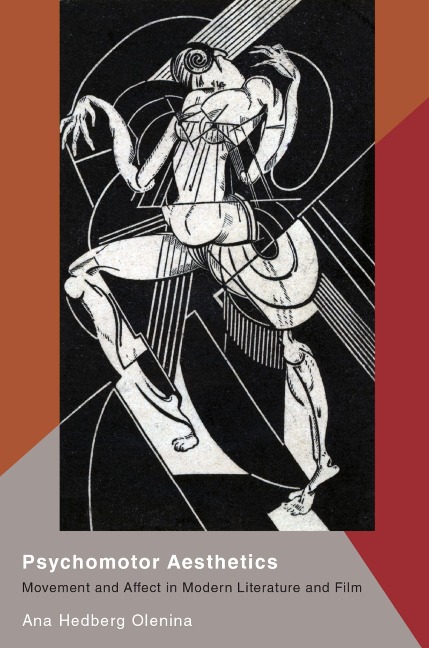
In the late 19th century, modern psychology emerged as a discipline, shaking off metaphysical notions of the soul in favor of a more scientific, neurophysiological concept of the mind. Laboratories began to introduce instruments and procedures which examined bodily markers of psychological experiences, like muscle contractions and changes in vital signs. Along with these changes in the scientific realm came a newfound interest in physiological psychology within the arts - particularly with the new perception of artwork as stimuli, able to induce specific affective experiences. In Psychomotor Aesthetics, author Ana Hedberg Olenina explores the effects of physiological psychology on art at the turn of the 20th century. The book explores its influence on not only art scholars and theorists, wishing to understand the relationship between artistic experience and the internal processes of the mind, but also cultural producers more widely. Actors incorporated psychology into their film acting techniques, the Russian and American film industries started to evaluate audience members' physical reactions, and literary scholars began investigations into poets' and performers' articulation. Yet also looming over this newly emergent field were commercial advertisers and politicians, eager to use psychology to further their own mass appeal and assert control over audiences. Drawing from archival documents and a variety of cross-disciplinary sources, Psychomotor Aesthetics calls attention to the cultural resonance of theories behind emotional and cognitive experience - theories with implications for today's neuroaesthetics and neuromarketing.
Ana Hedberg Olenina is Assistant Professor of Comparative Literature and Media Studies at Arizona State University.
Acknowledgements
IntroductionChapter 1. Sound-Gesture: Embodiment in Russian Futurist PoetryChapter 2. Motor Impulses of Verse: Russian Formalists on Poetry RecitationChapter 3. Scores of Movement: Lev Kuleshov Approach to Film ActingChapter 4. Kinesthetic Empathy: Sergei Eisenstein's Theory of SpectatorshipChapter 5. The Pulse of Film: Psychophysiological Studies of Film AudienceEpilogue
Bibliography
Dieses eBook wird im PDF-Format geliefert und ist mit einem Adobe Kopierschutz (DRM) versehen. Sie können dieses eBook mit allen Geräten lesen, die das PDF-Format und den Adobe Kopierschutz (DRM) unterstützen.
Zum Beispiel mit den folgenden Geräten:
• tolino Reader
Laden Sie das eBook direkt über den Reader-Shop auf dem tolino herunter oder übertragen Sie das eBook auf Ihren tolino mit einer kostenlosen Software wie beispielsweise Adobe Digital Editions.
• Sony Reader & andere eBook Reader
Laden Sie das eBook direkt über den Reader-Shop herunter oder übertragen Sie das eBook mit der kostenlosen Software Sony READER FOR PC/Mac oder Adobe Digital Editions auf ein Standard-Lesegeräte mit epub- und Adobe DRM-Unterstützung.
• Tablets & Smartphones
Möchten Sie dieses eBook auf Ihrem Smartphone oder Tablet lesen, finden Sie hier unsere kostenlose Lese-App für iPhone/iPad und Android Smartphone/Tablets.
• PC & Mac
Lesen Sie das eBook direkt nach dem Herunterladen mit einer kostenlosen Lesesoftware, beispielsweise Adobe Digital Editions, Sony READER FOR PC/Mac oder direkt über Ihre eBook-Bibliothek in Ihrem Konto unter „Meine eBooks“ - „online lesen“.
Schalten Sie das eBook mit Ihrer persönlichen Adobe ID auf bis zu sechs Geräten gleichzeitig frei.
Bitte beachten Sie, dass die Kindle-Geräte das Format nicht unterstützen und dieses eBook somit nicht auf Kindle-Geräten lesbar ist.