
Stöbern
genialokal zum Startbildschirm hinzufügen
Installieren Sie die genialokal App auf Ihrem Startbildschirm für einen schnellen Zugriff und eine komfortable Nutzung.
Installieren Sie die genialokal App auf Ihrem Startbildschirm für einen schnellen Zugriff und eine komfortable Nutzung.
Tippen Sie einfach auf Teilen:
 Und dann auf "Zum Home-Bildschirm [+]".
Bei genialokal.de kaufen Sie online bei Ihrer lokalen, inhabergeführten Buchhandlung!
Ihr gewünschter Artikel ist in 0 Buchhandlungen vorrätig - wählen Sie hier eine Buchhandlung in Ihrer Nähe aus:

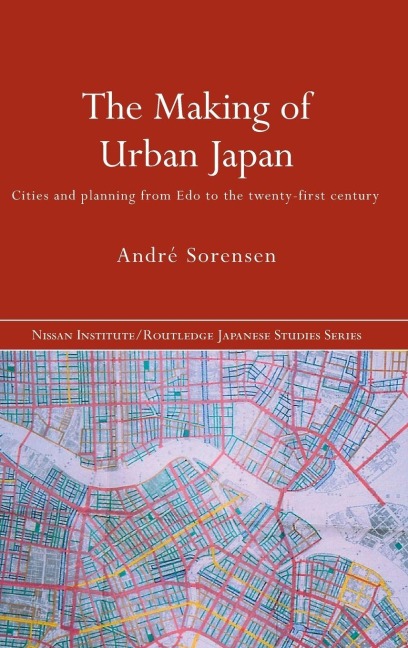
During the twentieth century, Japan was transformed from a poor, primarily rural country into one of the world's largest industrial powers and most highly urbanised countries. Interestingly, while Japanese governments and planners borrowed carefully from the planning ideas and methods of many other countries, Japanese urban planning, urban governance and cities developed very differently from those of other developed countries. Japan's distinctive patterns of urbanisation are partly a product of the highly developed urban system, urban traditions and material culture of the pre-modern period, which remained influential until well after the Pacific War. A second key influence has been the dominance of central government in urban affairs, and its consistent prioritisation of economic growth over the public welfare or urban quality of life. André Sorensen examines Japan's urban trajectory from the mid-nineteenth century to the present, paying particular attention to the weak development of Japanese civil society, local governments, and land development and planning regulations.
André Sorensen
1. The Legacy of the Tokugawa Period 2. The Meiji Period: Establishing Modern Traditions 3. Taishô Period Urbanization and the Development of the 1919 Planning System 4. Japan's First Urban Planning System 5. Post-war Reconstruction and Rapid Economic Growth 6. Environmental Crisis and the New City Planning System of 1968 7. Implementing the New City Planning System 8. From Planning Deregulation to the Bubble Economy 9. The Era of Local Rights: Master Plans, Machizukuri and Historical Preservation 10. Japanese Urbanization and Planning