Und dann auf "Zum Home-Bildschirm [+]".

Stöbern
genialokal zum Startbildschirm hinzufügen
Installieren Sie die genialokal App auf Ihrem Startbildschirm für einen schnellen Zugriff und eine komfortable Nutzung.
Installieren Sie die genialokal App auf Ihrem Startbildschirm für einen schnellen Zugriff und eine komfortable Nutzung.
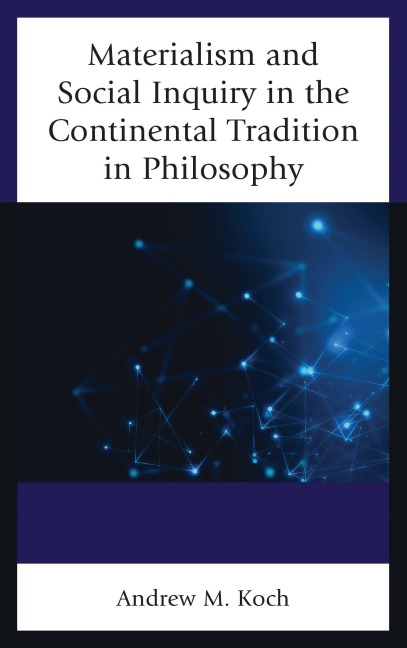
The continental tradition in philosophy has gotten more "materialistic" over the last two hundred years. This has resulted from a combination of some very specific moves with regard to the epistemological parameters of understanding and the assertion that ideas may have material force in history. Therefore, the materialism within the continental tradition is not a materiality of being, but a materiality of understanding and action. Such an inquiry opens up space between the activities of sensation and the mental faculty of cognition. 'I think, therefore I am,' is not an empirical statement, but a statement of cognition. It is assumed that this distinction is at the core of continental philosophy.
Cognition is always interpretive. Experience is the start of cognition, but not its final product. Our cognitions cannot be separated from our experience of the physical, social, and cultural environment around us. The symbolic nature of language reinforces the interpretive nature of our thoughts and ideas. Our language is, therefore, always projecting an implicit image of the world. Language is, therefore, always political. The materiality of these cognitive world-views is manifested in two ways. First, in their formation. They are the products of sensual contact with the world. Second, in their effects. They move people. It is a picture of the world which serves to shape the content and character of human behavior. Whether we want to call these phantoms of the mind, world-view, ideas, thoughts, cognitions, or any other term, the dual character of their materiality is secure.
This work examines the threads materialist ideas running through the efforts of some major authors in the continental tradition in philosophy. A model of materialism is constructed in Chapter One and used to assess the materialist elements in works from Kant, Marx, Weber, Nietzsche, and contemporary poststructuralism. The work demonstrates the evolution of materialist thinking within the tradition and asserts an evolving and developing articulation of materialism in relation to the thoughts and activities of human beings.
Andrew M. Koch is professor of political philosophy at Appalachian State University.
Introduction
Chapter 1: A Model of Materialism
Chapter 2: Immanuel Kant, Materiality, and the Mediated Experience
Chapter 3: Historical Materialism: The Marxian Tradition
Chapter 4: Weber: Materialism and Methodology
Chapter 5: Nietzsche: Materialism and the Human Animal
Chapter 6: Poststructuralism and the Material Force of Text
Conclusion: The World in Human Hands
Bibliography
About the Author
Dieses eBook wird im PDF-Format geliefert und ist mit einem Adobe Kopierschutz (DRM) versehen. Sie können dieses eBook mit allen Geräten lesen, die das PDF-Format und den Adobe Kopierschutz (DRM) unterstützen.
Zum Beispiel mit den folgenden Geräten:
• tolino Reader
Laden Sie das eBook direkt über den Reader-Shop auf dem tolino herunter oder übertragen Sie das eBook auf Ihren tolino mit einer kostenlosen Software wie beispielsweise Adobe Digital Editions.
• Sony Reader & andere eBook Reader
Laden Sie das eBook direkt über den Reader-Shop herunter oder übertragen Sie das eBook mit der kostenlosen Software Sony READER FOR PC/Mac oder Adobe Digital Editions auf ein Standard-Lesegeräte mit epub- und Adobe DRM-Unterstützung.
• Tablets & Smartphones
Möchten Sie dieses eBook auf Ihrem Smartphone oder Tablet lesen, finden Sie hier unsere kostenlose Lese-App für iPhone/iPad und Android Smartphone/Tablets.
• PC & Mac
Lesen Sie das eBook direkt nach dem Herunterladen mit einer kostenlosen Lesesoftware, beispielsweise Adobe Digital Editions, Sony READER FOR PC/Mac oder direkt über Ihre eBook-Bibliothek in Ihrem Konto unter „Meine eBooks“ - „online lesen“.
Schalten Sie das eBook mit Ihrer persönlichen Adobe ID auf bis zu sechs Geräten gleichzeitig frei.
Bitte beachten Sie, dass die Kindle-Geräte das Format nicht unterstützen und dieses eBook somit nicht auf Kindle-Geräten lesbar ist.