Und dann auf "Zum Home-Bildschirm [+]".

Stöbern
genialokal zum Startbildschirm hinzufügen
Installieren Sie die genialokal App auf Ihrem Startbildschirm für einen schnellen Zugriff und eine komfortable Nutzung.
Installieren Sie die genialokal App auf Ihrem Startbildschirm für einen schnellen Zugriff und eine komfortable Nutzung.
Ihr gewünschter Artikel ist in 0 Buchhandlungen vorrätig - wählen Sie hier eine Buchhandlung in Ihrer Nähe aus:

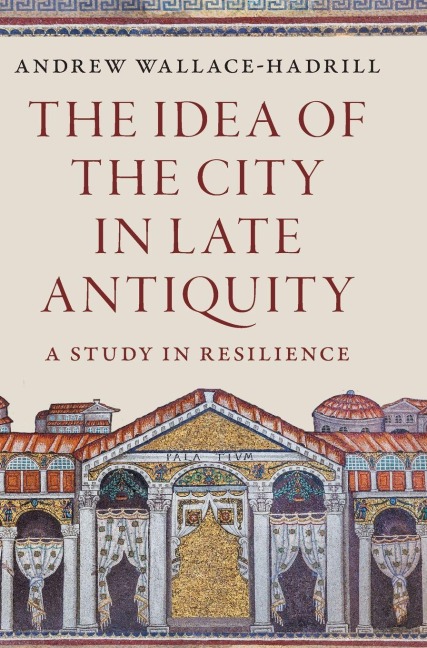
The city was one of the central and defining features of the world of the Greek and Roman Mediterranean. Challenging the idea that the ancient city 'declined and fell', Andrew Wallace-Hadrill argues that memories of the past enabled cities to adapt and remain relevant in the changing post-Roman world. In the new kingdoms in Italy, France and Spain cities remained a key part of the structure of control, while to contemporary authors, such as Cassiodorus in Ostrogothic Italy, Gregory of Tours in Merovingian Gaul, and Isidore in Visigothic Spain, they remained as crucial as in antiquity. The archaeological evidence of New Cities founded in this period, from Constantinople to Reccopolis in Spain, also shows the deep influence of past models. This timely and exhilarating book reveals the adaptability of cities and the endurance of the Greek and Roman world.
ANDREW WALLACE-HADRILL is Emeritus Professor in the Faculty of Classics at the University of Cambridge and an Emeritus Fellow of Sidney Sussex College. He is a Roman cultural historian and his books include Suetonius: The Scholar and His Caesars (1983), Augustan Rome (1993), Houses and Society in Pompeii and Herculaneum (1994), Rome's Cultural Revolution (Cambridge, 2008) and Herculaneum: Past and Future (2011). Former Director of the British School at Rome, he has directed archaeological projects at Pompeii and Herculaneum. This book is the result of his project on the Impact of the Ancient City, which received funding from the European Research Council.
1. The end of the ancient city? 2. In praise of the city; 3. The city in question; 4. The city revived? Cassiodorus and Ostrogothic Italy; 5. The city embattled: Procopius and Justinian's Byzantine world; 6. The city and it's records: the Ravenna papyri; 7. The city of bishops: Gregory of Tours and Merovingian Gaul; 8. The grammar of the city: Isidore and Visigothic Spain; 9. The fabric of the city: the idea embodied; 10. Conclusion: decline and resilience.