Und dann auf "Zum Home-Bildschirm [+]".

Stöbern
genialokal zum Startbildschirm hinzufügen
Installieren Sie die genialokal App auf Ihrem Startbildschirm für einen schnellen Zugriff und eine komfortable Nutzung.
Installieren Sie die genialokal App auf Ihrem Startbildschirm für einen schnellen Zugriff und eine komfortable Nutzung.

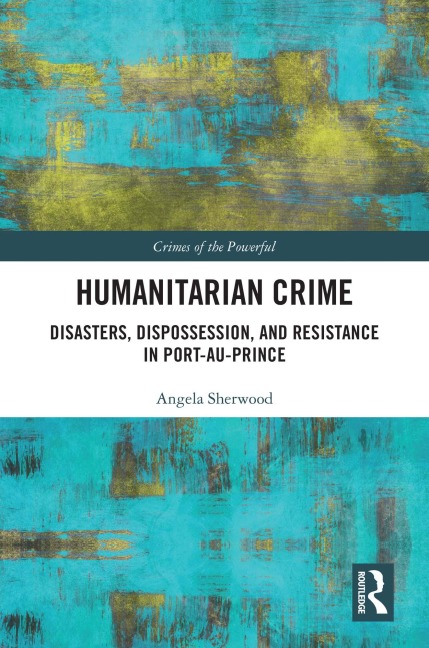
This is the first book to theorise humanitarian power within the crimes of the powerful tradition. It offers a compelling account of the structural forces embedded in humanitarian institutions and the practices and forms of legitimation through which the violent effects of humanitarian intervention are typically produced and obscured. Focusing on post-earthquake Haiti, a setting marked by large-scale international involvement and deep historical and colonial inequalities, this book examines how humanitarian organisations helped shape the city's post-disaster landscape. It shows how humanitarian actors, working alongside the Haitian state, contributed to the reproduction of homelessness, landlessness, and urban exclusion through their management of displacement camps, their reliance on property-based models of assistance, and their role in coercive programmes of camp closure. Drawing on extensive fieldwork, interviews, and archival research, this book develops the concept of humanitarian crime to illuminate the state processes, institutional arrangements, and material structures that underpin violent outcomes in humanitarian settings. At the same time, it centres the voices of Haitian civil society and affected communities, highlighting how those subjected to state-humanitarian expulsions interpret, contest, and resist the harms inflicted through humanitarian governance. It foregrounds land occupations and informal urbanisation as key forms of resistance that expose and challenge the dispossession inscribed within the everyday workings of humanitarian intervention. By situating humanitarianism within wider relations of sovereignty, accumulation, and control, this book opens new pathways for studying humanitarian power and its role within contemporary global violence. It also establishes a research agenda for understanding humanitarian crime and for examining how contemporary crises, not least increasingly frequent climate disasters, are being governed in ways that only deepen precarity and dispossession. This book is essential reading for all those engaged in work on crimes of the powerful, disaster recovery, state and corporate crime, and Caribbean Studies.
Angela Sherwood is a Lecturer in Climate Justice at Queen Mary University of London (QMUL) and Co-Director of the QMUL Centre for Climate Crime and Climate Justice. She is also an Executive Board Member of the International State Crime Initiative (ISCI).
1. Humanitarian Crime: An Introduction 2. Humanitarianism in Crimes of the Powerful Research 3. Port-au-Prince and The Making of a Violent Urban Order 4. Governing the "Ungovernable" City: Humanitarianism and Managing Urban Crisis 5. Forced Evictions and Campicide as State-Humanitarian Crime 6. Exposing Humanitarian Crimes of Dispossession 7. Camp Afterlives and Humanitarian Denial 8. Concluding Reflections