
Stöbern
genialokal zum Startbildschirm hinzufügen
Installieren Sie die genialokal App auf Ihrem Startbildschirm für einen schnellen Zugriff und eine komfortable Nutzung.
Installieren Sie die genialokal App auf Ihrem Startbildschirm für einen schnellen Zugriff und eine komfortable Nutzung.
Tippen Sie einfach auf Teilen:
 Und dann auf "Zum Home-Bildschirm [+]".
Bei genialokal.de kaufen Sie online bei Ihrer lokalen, inhabergeführten Buchhandlung!
Ihr gewünschter Artikel ist in 0 Buchhandlungen vorrätig - wählen Sie hier eine Buchhandlung in Ihrer Nähe aus:

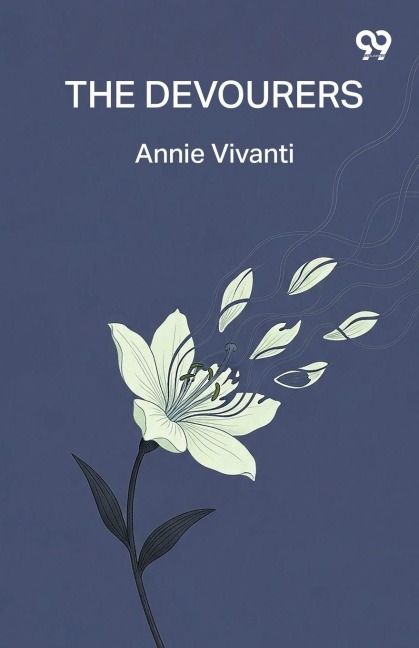
The devourers unfolds within the emotional rhythms of a family navigating the overlapping realities of birth, grief, and emotional tension. At the heart of the story is a young girl who eagerly awaits the arrival of a new baby, her half-sister's child, only to be met with complex feelings that blend innocent excitement with unexpected disappointment. As the household adjusts to the presence of the infant and the lingering sorrow of recent loss, the narrative reveals subtle but powerful shifts in relationships and perceptions. Through quiet domestic scenes and moments of introspection, the novel captures how joy and sadness can coexist in a single space, especially through the eyes of a child not yet fully equipped to understand the gravity of adult suffering. Themes of familial bonds, emotional displacement, and the unspoken tensions between love and resentment rise to the surface, creating a delicate yet charged atmosphere. With a sensitivity to psychological detail, the story examines how the echoes of grief can shape even the most joyful occasions and how the inner world of a child reflects and absorbs the complicated emotions of the adults around her.
Anna Emilia Annie Vivanti Chartres, also known as Anita Vivanti or Anita Vivanti Chartres, was a British-born Italian writer whose multicultural background shaped a distinctive literary voice. Born in London in 1866 to Anselmo Vivanti, an Italian Jewish political exile, and Anna Lindau, a German writer, she grew up surrounded by linguistic diversity and intellectual influence. Writing fluently in both Italian and English, she produced novels, poetry, and journalistic works that often explored themes of identity, emotional conflict, nationalism, and female agency. Her works were noted for their vivid emotional depth and modern sensibility, reflecting her experiences across various countries including Italy, England, Switzerland, and the United States. She married Irish nationalist John Smith Chartres in 1892 and had one daughter, Vivien Chartres, a child prodigy violinist. Vivanti's life often intersected with political and artistic movements of her time, and she was engaged in both literary and cultural debates. Though her recognition waned in later decades, her work has seen renewed interest for its early feminist perspective and cross-cultural resonance, making her a compelling figure in both Italian and Anglo literary traditions.