Und dann auf "Zum Home-Bildschirm [+]".

Stöbern
genialokal zum Startbildschirm hinzufügen
Installieren Sie die genialokal App auf Ihrem Startbildschirm für einen schnellen Zugriff und eine komfortable Nutzung.
Installieren Sie die genialokal App auf Ihrem Startbildschirm für einen schnellen Zugriff und eine komfortable Nutzung.
Ihr gewünschter Artikel ist in 0 Buchhandlungen vorrätig - wählen Sie hier eine Buchhandlung in Ihrer Nähe aus:

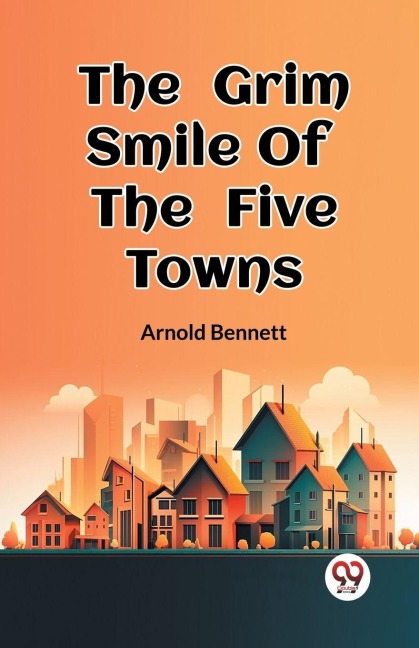
"The Grim Smile of the Five Towns" by Arnold Bennett is a captivating novel that delves into the complexities of urban life and societal change during the industrial revolution in Staffordshire's Five Towns. As a cornerstone of British literature, Bennett's work offers a poignant social commentary, exploring themes of class conflict and ambition within the backdrop of a rapidly evolving industrial landscape. Through astute character studies and psychological insight, Bennett illuminates the aspirations and struggles of individuals navigating the challenges of urbanization and social mobility. Set against the grim realities of industrialization, the novel presents a compelling cultural critique, highlighting the tensions between tradition and progress, wealth and poverty. Bennett's skillful storytelling and keen observation of human nature make "The Grim Smile of the Five Towns" a timeless exploration of the human condition. With its richly drawn characters and evocative depiction of life in the Five Towns, the novel offers readers a thought-provoking journey through the complexities of society and the human spirit.
Enoch Arnold Bennett was born on May 27, 1867, in Hanley, Stoke-on-Trent, to parents Enoch Bennett and Sarah Ann Longson. Although initially steered toward a legal career, he found his true vocation in writing. After moving to London, he became a journalist and later a full-time writer, producing novels, short stories, plays, and essays. Bennett's works often focused on the lives of ordinary people in industrial England, particularly in the area known as the Five Towns, which he depicted with vivid realism. His attention to the nuances of class, ambition, and provincial life gained him widespread popularity and critical attention. Some of his most notable works include The Old Wives' Tale, Clayhanger, and The Card. Beyond fiction, he was also known for keeping a detailed daily journal and writing essays on self-improvement and literary craft. His experiences in Paris and London enriched his worldview, which he expressed through his cosmopolitan characters and practical philosophical outlook. Bennett's influence extended into public life, and during World War I he worked for the British Ministry of Information. He died in London on March 27, 1931, leaving behind a significant literary legacy and a deeply personal record of early 20th-century English society.