
Stöbern
genialokal zum Startbildschirm hinzufügen
Installieren Sie die genialokal App auf Ihrem Startbildschirm für einen schnellen Zugriff und eine komfortable Nutzung.
Installieren Sie die genialokal App auf Ihrem Startbildschirm für einen schnellen Zugriff und eine komfortable Nutzung.
Tippen Sie einfach auf Teilen:
 Und dann auf "Zum Home-Bildschirm [+]".
Bei genialokal.de kaufen Sie online bei Ihrer lokalen, inhabergeführten Buchhandlung!
Ihr gewünschter Artikel ist in 0 Buchhandlungen vorrätig - wählen Sie hier eine Buchhandlung in Ihrer Nähe aus:

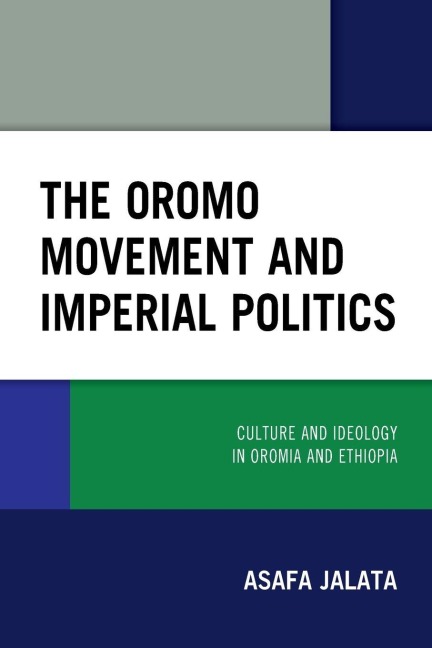
Focusing on the issue of the Oromo national struggle for liberation, statehood, and democracy, this book critically examines the dialectical relationship between Ethiopian colonialism and Oromo culture, epistemology, politics, and ideology in the context of the accumulated collective grievances of the Oromo nation. Specifically, the book identifies chains of sociological and historical factors that facilitated the development of Oromummaa (Oromo nationalism) and the Oromo national movement. It demonstrates how the Oromo national movement has been challenging and transforming Ethiopian imperial politics, tracks the different forms and phases of the movement, and maps out its future direction.
Currently, the Oromo are the largest ethno-national group and political minority in the Ethiopian Empire. They were colonized and incorporated into Ethiopia as colonial subjects in the last decades of the 19th century through the alliance of Abyssinian/Ethiopian colonialism and European imperialism. Since their colonization, the Oromo people have been treated as second-class citizens and have been economically exploited and culturally and politically suppressed. Despite the fact that Oromo resistance to Ethiopian colonialism existed during the process of their colonization and subjugation, it was only in the 1960s and 1970s that Oromo nationalists initiated organized efforts to liberate their people. Presently, Oromo nationalism plays a central role in Ethiopian politics.
Asafa Jalata
Chapter I: Introduction Chapter II: The Oromo Epistemology, Agency, and Movement Chapter III: The Oromo Nation: Toward Mental Liberation and Empowerment With Harwood D. Schaffer Chapter IV: The Oromo National Movement and Gross Human Rights Violations Chapter V: Theorizing Oromummaa Chapter VI: Gadaa/Siqqee as the Fountain of Oromummaa and the Theoretical Base of Oromo Liberation With Harwood D. Schaffer Chapter VII: The Oromo Movement: The Effects of State Terrorism and Globalization in Oromia and Ethiopia Chapter VIII: Politico-cultural Prerequisites for Protecting the Oromo National Interest Chapter IX: The Challenges of Building Oromo National Institutions