
Stöbern
genialokal zum Startbildschirm hinzufügen
Installieren Sie die genialokal App auf Ihrem Startbildschirm für einen schnellen Zugriff und eine komfortable Nutzung.
Installieren Sie die genialokal App auf Ihrem Startbildschirm für einen schnellen Zugriff und eine komfortable Nutzung.
Tippen Sie einfach auf Teilen:
 Und dann auf "Zum Home-Bildschirm [+]".
Bei genialokal.de kaufen Sie online bei Ihrer lokalen, inhabergeführten Buchhandlung!
Ihr gewünschter Artikel ist in 0 Buchhandlungen vorrätig - wählen Sie hier eine Buchhandlung in Ihrer Nähe aus:

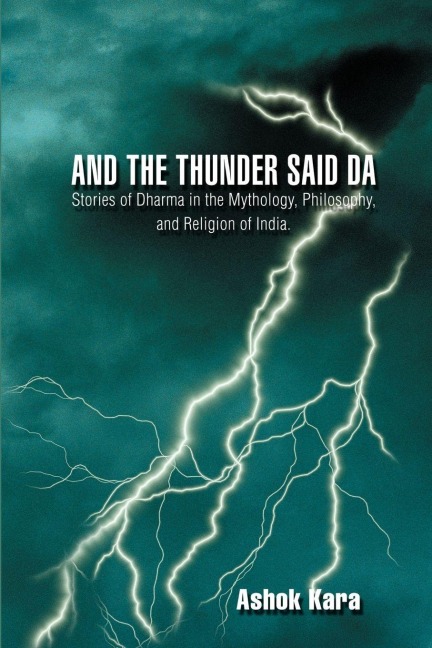
Prajapati, the Creator, had three kinds of offspring: gods, men, and demons. They lived with Prajapati as brahmacharins (celibate students) practicing austerities. At the end of their term, the gods requested him saying: "Please instruct us, Sir." Prajapati uttered the syllable Da and he asked: "Have you understood?" The gods replied: "Yes. You have said to us, control yourselves (Damyata)." Prajapati responded: "Yes, you have understood." Then men spoke to him: "Please instruct us, Sir." Prajapati uttered the syllable Da and he asked: "Have you understood?" The men replied: "We have. You have said give (Datta)." Prajapati responded: "Yes, you have understood." Then the demons spoke to him: "Please instruct us, Sir." Prajapati uttered the syllable Da and he asked: "Have you understood?" The demons replied: "Yes. You have said to us, be compassionate (Dayadhvam)." Prajapati responded: "Yes, you have understood." That very thing is repeated by the celestial voice in the form the thunder that speaks to us: "Da, Da, Da" which means, "control yourselves," "give," "be merciful."
In other words, writes Kara, the instruction to comprehending the ultimate mystery begins from an ethical injunction. He who is self-controlled, charitable, and merciful is given proximity to the gods. Ethics takes precedence over epistemology and ontology.