Stöbern
genialokal zum Startbildschirm hinzufügen
Installieren Sie die genialokal App auf Ihrem Startbildschirm für einen schnellen Zugriff und eine komfortable Nutzung.
Installieren Sie die genialokal App auf Ihrem Startbildschirm für einen schnellen Zugriff und eine komfortable Nutzung.
Tippen Sie einfach auf Teilen:
 Und dann auf "Zum Home-Bildschirm [+]".

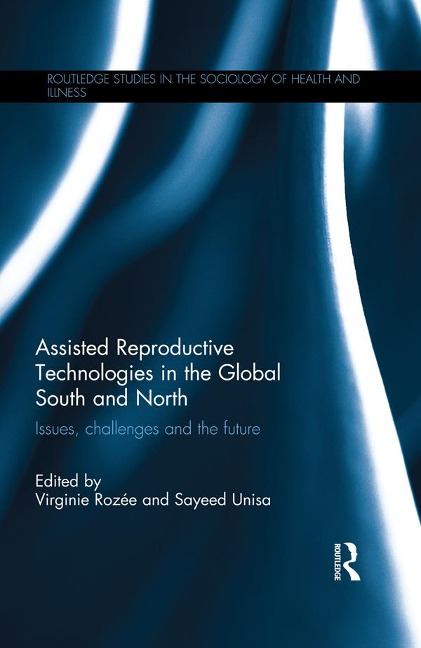

Assisted Reproductive Technologies in the Global South and North critically analyses the political and social frameworks of Assisted Reproductive Technology (ART), and its impact in different countries. In the context of a worldwide social pressure to conceive - particularly for women - this collection explores the effect of the development of ARTs, growing globalisation and reproductive medicalization on global societies. Providing an overview of the issues surrounding ART both in the Global South and North, this book analyses ART inequalities, commonalities and specificities in various countries, regions and on the transnational scene. From a multidisciplinary perspective and drawing on multisite studies, it highlights some new issues relating to ART (e.g. egg freezing, surrogacy) and discusses some older issues regarding infertility and its medical treatment (e.g. in vitro fertilisation, childless stigmatisation and access to treatment). This book aims to redress the balance between what is known about Assisted Reproductive Technologies in the Global North, and how the issue is investigated in the Global South. It aims to draw out the global similarities in the challenges that ARTs bring between these different areas of the world. It will appeal to scholars and students in the social sciences, medicine, public health, health policy, women's and gender studies, and demography.
Virginie Rozée is a researcher in sociology at the French Institute for Demographic Studies (INED), France. She is working on gender and reproductive health and rights issues (abortion, contraception, infertility, assisted reproductive technologies, cross-border reproductive care, surrogacy) in different geographical areas (Europe, Latin America, India). Sayeed Unisa is a professor at the International Institute for Population Sciences (IIPS), India. Her research interests are gender issues, infertility, abortion, and nutrition. She has received the Royan International award for her research on infertility and her work as co-investigator of the project on prevention and management of infertility in India.
Introduction Part I: ART Regulation and Journey 1. Access to Assisted Reproductive Technologies in Latin America 2. Assisted reproductive technologies in Brazil: Public and private arrangements in the name of access and reproductive rights 3. The gendered nature of infertility and Assisted Reproductive Technologies 4. A socio-anthropological reflection on infertility and assisted reproductive techniques in Algeria 5. Knowledge and Awareness of Men about Infertility and their Involvement in Fertility Treatment: Rural Men's Voices from Andhra Pradesh India 6. Reproductive roaming: the quest for children of African couples in France 7. Egg freezing: Portraying a new reproductive technology in the Israeli media Part II: Surrogacy: Realities and controversies 8. Surrogacy in India: The Good, the Bad and the Ugly 9. Circumvention, Crisis and Confusion: Australians Crossing Borders for International Surrogacy 10. Ethical aspects and legal problems when parents return home to Europe after cross border surrogacy 11. "All one needs is a credit card." Transnational Surrogacy in India on weblogs and in documentaries 12. Surrogacy in Context: the Ukraine and the United States 13. Local Surrogacy in a Global Circuit: The Embodied Intimacies of Israeli Surrogacy Arrangements 14. From Manufacturing Clothes to Manufacturing Babies: Economic Precarity and Labor Options Among Surrogate Mothers in Bangalore, India