Stöbern
genialokal zum Startbildschirm hinzufügen
Installieren Sie die genialokal App auf Ihrem Startbildschirm für einen schnellen Zugriff und eine komfortable Nutzung.
Installieren Sie die genialokal App auf Ihrem Startbildschirm für einen schnellen Zugriff und eine komfortable Nutzung.
Tippen Sie einfach auf Teilen:
 Und dann auf "Zum Home-Bildschirm [+]".

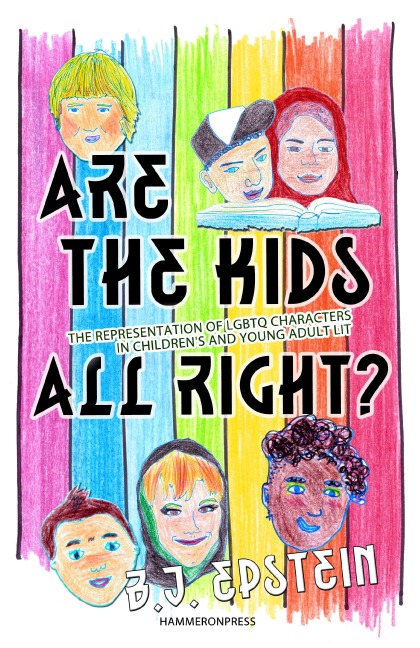
Epstein explores why sex, sexuality and gender non-conformity is something that many writers and publishers of children's and young adult lit appear to shy away from. She demonstrates that the information children get from literature matters, and that so called 'difficult' topics can be communicated in entertaining and informative ways. Uses ideas from queer theory and other research to interrogate the ways LGBTQ characters are portrayed in books for children and young people, and to analyse what messages readers of such books might receive. Includes detailed analysis of over 60 picture books, middle-grade books and young adult novels by authors such as Nancy Garden, Julie Ann Peters, Alex Sanchez, David Levithan, Lesléa Newman, Marcus Ewart, Cris Beam and many others. This book brings together literary studies, sociology, queer studies and other academic fields in an accessible manner, where the research supports the detailed analyses of over 50 books for children and young adults. Epstein looks at a range of topics, such as the lack of diversity in many of these works, how same-sex marriage is portrayed, the relative absence of bisexual and transgender characters, the way that many of these books are marketed and intended as 'issue books', and more. A practical and informative book to inspire writers and publishers to produce better LGBTQ literature for young readers.
Introduction Motivation A brief discussion of sexuality and gender Terminology Children's literature Sexuality, children and children's literature Corpus of texts Methodologies Structure of this book Conclusion Issue books Publishing and practical considerations Paratexts Confirmation of normality HIV and AIDS Teaching through characters Controversy Conclusion Portrayal and stereotypes Prejudice and stereotypes A brief history of stereotypes in LGBTQ Literature Queerness as a problem Causes of queerness Looking queer Acting queer Sex and marriage The gay boyfriend Positive stereotypes and challenging stereotypes Reducing prejudice and literature's role Conclusion Diversity Missing pieces Bisexuality Transgender Other shades of the rainbow Multiple identities Race/ethnicity Religion and spirituality Dis/ability Age Class Weight/size and body image Conclusion Sex and marriage Masturbation Protection Sex BTQ sex Summary of sex Marriage Background on LGBTQ parenting Background on LGBTQ marriage US books UK books Northern European books Summary of marriage Singletons Conclusion Conclusion A brief summary A call to arms (or pens): Not a conclusion, but a proposal Notes References Annotated bibliography Index