Und dann auf "Zum Home-Bildschirm [+]".

Stöbern
genialokal zum Startbildschirm hinzufügen
Installieren Sie die genialokal App auf Ihrem Startbildschirm für einen schnellen Zugriff und eine komfortable Nutzung.
Installieren Sie die genialokal App auf Ihrem Startbildschirm für einen schnellen Zugriff und eine komfortable Nutzung.
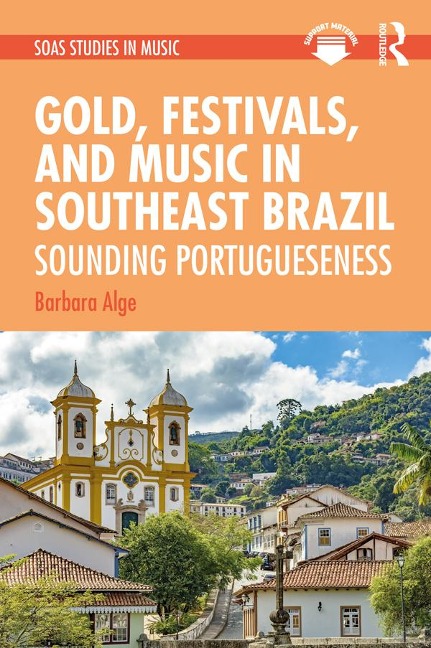
Gold, Festivals, and Music in Southeast Brazil: Sounding Portugueseness is a study of the musical legacy of the eighteenth century Brazilian gold rush that integrates ethnographic research of the main genres of former mining communities in Brazil - from liturgical music in the style of European art music to Afro-Brazilian musical expressions. Its content and structure are informed by Norbert Elias's idea of the civilizing process, which is explored regarding its relevance in interpreting sociocultural processes and choreo-musical expressions in the small town of Morro Vermelho. The book's innovative feature is its focus on a little-known area to non-Brazilian scholars, and its focus on the colonial and European heritage in Brazil. Morro Vermelho's cultural traditions have received relatively limited attention. The Catholic festival of Our Lady of Nazareth provides a setting for the documentation and analysis of the musical setting and is thus placed at the center of the discussion. It leads through the vast writings on Brazilian identity and challenges the view on Brazilian-ness as constructed in terms of the mixing of races. Norbert Elias's concept of the "civilizing process" structures the book and is relevant for understanding the cultural sphere of the festival of Our Lady of Nazareth. The book combines discourses of Portugueseness with historical sources and observations from fieldwork and community building in the virtual world. The focus on the music to support social constructions of "Portugueseness" is supported with evidence from diverse data sources: music (literature and fieldwork recordings), original interviews, marketing materials and historical narratives. The combination of archival, ethnographic, and bibliographic research methods attempts a seamless narrative. Its approach to fieldwork and frank reflections on the process and relevant issues help to contextualize the analyses and serve as useful advice for future researchers.
Barbara Alge is Professor in Ethnomusicology at Goethe University Frankfurt/Main, Germany.
Introduction 1 - Festivals and Music as Civilizing Forces in Colonial Minas 2 - History as Memory, Heritage, and Brand in Morro Vermelho 3 - Sounding the Sacred and Civilized 4 - Sounding the Afro-Brazilian Resistance 5- Conclusion: Sounding Portugueseness in Southeast Brazil
Dieses eBook wird im PDF-Format geliefert und ist mit einem Adobe Kopierschutz (DRM) versehen. Sie können dieses eBook mit allen Geräten lesen, die das PDF-Format und den Adobe Kopierschutz (DRM) unterstützen.
Zum Beispiel mit den folgenden Geräten:
• tolino Reader
Laden Sie das eBook direkt über den Reader-Shop auf dem tolino herunter oder übertragen Sie das eBook auf Ihren tolino mit einer kostenlosen Software wie beispielsweise Adobe Digital Editions.
• Sony Reader & andere eBook Reader
Laden Sie das eBook direkt über den Reader-Shop herunter oder übertragen Sie das eBook mit der kostenlosen Software Sony READER FOR PC/Mac oder Adobe Digital Editions auf ein Standard-Lesegeräte mit epub- und Adobe DRM-Unterstützung.
• Tablets & Smartphones
Möchten Sie dieses eBook auf Ihrem Smartphone oder Tablet lesen, finden Sie hier unsere kostenlose Lese-App für iPhone/iPad und Android Smartphone/Tablets.
• PC & Mac
Lesen Sie das eBook direkt nach dem Herunterladen mit einer kostenlosen Lesesoftware, beispielsweise Adobe Digital Editions, Sony READER FOR PC/Mac oder direkt über Ihre eBook-Bibliothek in Ihrem Konto unter „Meine eBooks“ - „online lesen“.
Schalten Sie das eBook mit Ihrer persönlichen Adobe ID auf bis zu sechs Geräten gleichzeitig frei.
Bitte beachten Sie, dass die Kindle-Geräte das Format nicht unterstützen und dieses eBook somit nicht auf Kindle-Geräten lesbar ist.