Und dann auf "Zum Home-Bildschirm [+]".

Stöbern
genialokal zum Startbildschirm hinzufügen
Installieren Sie die genialokal App auf Ihrem Startbildschirm für einen schnellen Zugriff und eine komfortable Nutzung.
Installieren Sie die genialokal App auf Ihrem Startbildschirm für einen schnellen Zugriff und eine komfortable Nutzung.
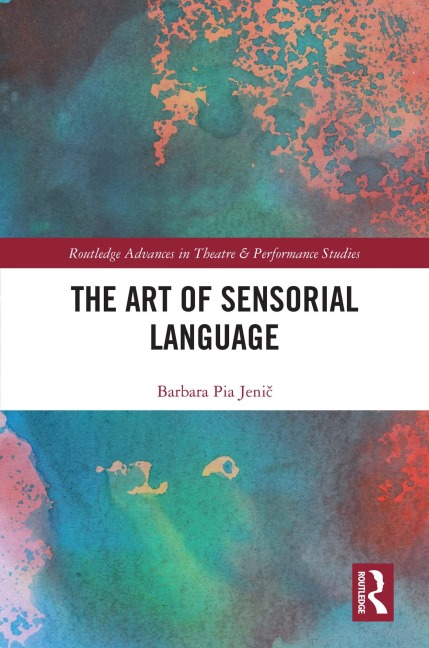
The Art of Sensorial Language examines audience interactivity and multisensory experiences that can be understood internationally and cross-culturally. It considers interactivity not as a technological mode of interaction but as a direct and immediate communication between the audience and the performers, which takes place in person and in which all participants are in contact with each other. By describing theatrical techniques and approaches for organically immersing the audience in the story, this book shows how the development of these methods is also applicable to multisensory presentations for museums and galleries. The author places particular emphasis on the development of scents and their uses for cultural and educational purposes to allow for greater and deeper immersion in an event or installation. Inspired by the work of Enrique Vargas, the inventor of sensorial language, the discussion reveals how this approach not only engages the senses but also integrates additional methods and tools to create a poetic symphony, which is particularly important for enriching user experiences in theatres, galleries and museums, as well as in other forms of immersive experiences. This study will be of great interest to experts in multisensory approaches within the fields of the arts and education, as well as specialists in cultural heritage and tourism.
Barbara Pia Jenic is a research associate at the Heritage Science Laboratory Ljubljana, working on the project Smell and Intangible Cultural Heritage at the University of Ljubljana, Slovenia. A distinguished theatre director, actress, producer and speech coach, she is also the founder and managing director of Senzorium Institute. Since 1996, she has been working to advance scent design, sensorial language and immersive multisensory environments.
Introduction 1. The sensorial language of Enrique Vargas 2. Authorial approaches to sensorial language development 3. Sensorial language for other forms of art and culture Conclusion
Dieses eBook wird im PDF-Format geliefert und ist mit einem Adobe Kopierschutz (DRM) versehen. Sie können dieses eBook mit allen Geräten lesen, die das PDF-Format und den Adobe Kopierschutz (DRM) unterstützen.
Zum Beispiel mit den folgenden Geräten:
• tolino Reader
Laden Sie das eBook direkt über den Reader-Shop auf dem tolino herunter oder übertragen Sie das eBook auf Ihren tolino mit einer kostenlosen Software wie beispielsweise Adobe Digital Editions.
• Sony Reader & andere eBook Reader
Laden Sie das eBook direkt über den Reader-Shop herunter oder übertragen Sie das eBook mit der kostenlosen Software Sony READER FOR PC/Mac oder Adobe Digital Editions auf ein Standard-Lesegeräte mit epub- und Adobe DRM-Unterstützung.
• Tablets & Smartphones
Möchten Sie dieses eBook auf Ihrem Smartphone oder Tablet lesen, finden Sie hier unsere kostenlose Lese-App für iPhone/iPad und Android Smartphone/Tablets.
• PC & Mac
Lesen Sie das eBook direkt nach dem Herunterladen mit einer kostenlosen Lesesoftware, beispielsweise Adobe Digital Editions, Sony READER FOR PC/Mac oder direkt über Ihre eBook-Bibliothek in Ihrem Konto unter „Meine eBooks“ - „online lesen“.
Schalten Sie das eBook mit Ihrer persönlichen Adobe ID auf bis zu sechs Geräten gleichzeitig frei.
Bitte beachten Sie, dass die Kindle-Geräte das Format nicht unterstützen und dieses eBook somit nicht auf Kindle-Geräten lesbar ist.