Und dann auf "Zum Home-Bildschirm [+]".

Stöbern
genialokal zum Startbildschirm hinzufügen
Installieren Sie die genialokal App auf Ihrem Startbildschirm für einen schnellen Zugriff und eine komfortable Nutzung.
Installieren Sie die genialokal App auf Ihrem Startbildschirm für einen schnellen Zugriff und eine komfortable Nutzung.
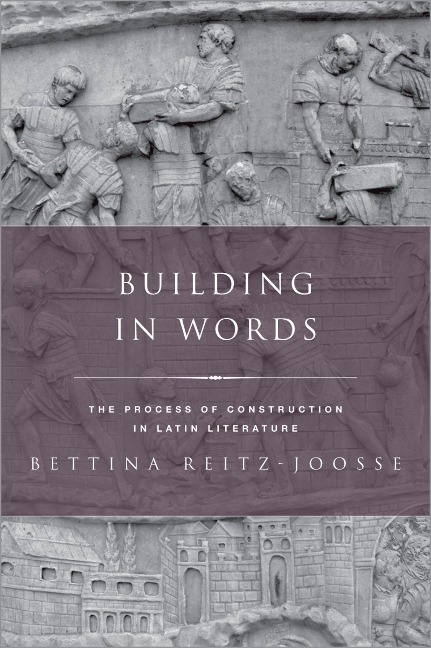
Building in Words explores the relationship between text and architecture in the Roman world from the perspective of architectural process. Ancient Romans frequently encountered buildings under construction - they experienced noisy building work, disruptive transportation of materials, and sometimes spectacular engineering feats. Bettina Reitz-Joosse analyzes how Roman authors responded to the process of building and construction in their literary works. Roman authors tell stories of architectural creation to give meaning to finished monuments. Their narratives can stress technological or logistic mastery or highlight morally problematic aspects of construction, particularly in large-scale engineering projects. While offering descriptions of the process of creating architecture, Roman writers also reflect on the creation of their own works. Building in Words demonstrates the richness of the image of construction for literary composition: writers use it to comment on the aesthetics or ambition of their literary work, to articulate the power and durability, but also the fragility of literature. Reitz-Joosse here offers original readings of a range of literary authors of the early Roman empire, including Vergil, Pliny the Elder, Tacitus, and Statius, and places literary texts in dialogue with contemporary epigraphic and archaeological material. Through its focus on building as a process, Building in Words furthers our understanding of the aesthetics of both architecture and literature in ancient Rome.
Bettina Reitz-Joosse is Associate Professor of Latin Language and Literature at the University of Groningen (Netherlands).
Introduction1. Making Memories: Representing Construction in Rome 2. Debating the Draining of the Fucine Lake 3. Writing Cities, Founding Texts: The City as Poetological Metaphor4. Engineering Poetry: The Aesthetics of Construction in Statius' Silvae 5. Walls of Song: The Myth of Amphion 6. Conclusion. Construction in Reverse Epilogue. Constructing romanità: The Obelisk at the Foro MussoliniBibliography
Dieses eBook wird im PDF-Format geliefert und ist mit einem Adobe Kopierschutz (DRM) versehen. Sie können dieses eBook mit allen Geräten lesen, die das PDF-Format und den Adobe Kopierschutz (DRM) unterstützen.
Zum Beispiel mit den folgenden Geräten:
• tolino Reader
Laden Sie das eBook direkt über den Reader-Shop auf dem tolino herunter oder übertragen Sie das eBook auf Ihren tolino mit einer kostenlosen Software wie beispielsweise Adobe Digital Editions.
• Sony Reader & andere eBook Reader
Laden Sie das eBook direkt über den Reader-Shop herunter oder übertragen Sie das eBook mit der kostenlosen Software Sony READER FOR PC/Mac oder Adobe Digital Editions auf ein Standard-Lesegeräte mit epub- und Adobe DRM-Unterstützung.
• Tablets & Smartphones
Möchten Sie dieses eBook auf Ihrem Smartphone oder Tablet lesen, finden Sie hier unsere kostenlose Lese-App für iPhone/iPad und Android Smartphone/Tablets.
• PC & Mac
Lesen Sie das eBook direkt nach dem Herunterladen mit einer kostenlosen Lesesoftware, beispielsweise Adobe Digital Editions, Sony READER FOR PC/Mac oder direkt über Ihre eBook-Bibliothek in Ihrem Konto unter „Meine eBooks“ - „online lesen“.
Schalten Sie das eBook mit Ihrer persönlichen Adobe ID auf bis zu sechs Geräten gleichzeitig frei.
Bitte beachten Sie, dass die Kindle-Geräte das Format nicht unterstützen und dieses eBook somit nicht auf Kindle-Geräten lesbar ist.