Und dann auf "Zum Home-Bildschirm [+]".

Stöbern
genialokal zum Startbildschirm hinzufügen
Installieren Sie die genialokal App auf Ihrem Startbildschirm für einen schnellen Zugriff und eine komfortable Nutzung.
Installieren Sie die genialokal App auf Ihrem Startbildschirm für einen schnellen Zugriff und eine komfortable Nutzung.
Ihr gewünschter Artikel ist in 0 Buchhandlungen vorrätig - wählen Sie hier eine Buchhandlung in Ihrer Nähe aus:

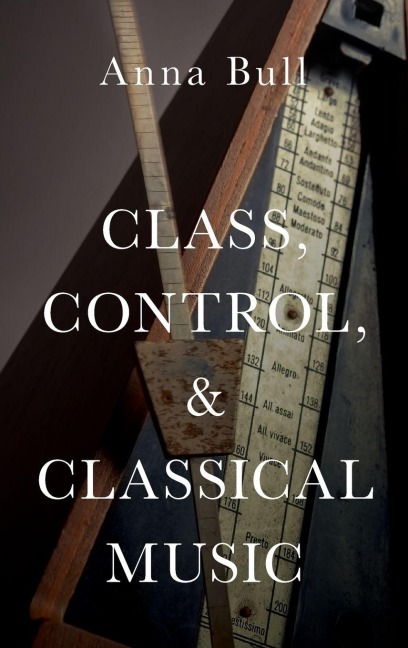
Why is classical music predominantly the preserve of the white middle classes? Through a richly detailed ethnography, this book contributes to this ongoing debate with a timely and provocative intervention, locating classical music within one of the cultures that produces it--middle-class English youth -and foregrounds classical music as bodily practice of control and restraint.
Anna Bull is a Senior Lecturer in sociology at the University of Portsmouth. Her research interests include class and gender inequalities in classical music education and staff sexual misconduct in higher education. Anna has published in leading sociology and music education journals, and has also written for a variety of non-academic publications including The Guardian and Arts Professional. Before becoming a sociologist, Anna worked as a pianist and cellist in her native New Zealand and across Scotland with ensembles including Scottish Opera, the New Zealand Symphony Orchestra, the New Zealand Chamber Orchestra, and Live Music Now!.
Acknowledgements
Introduction
Chapter 1. Locating classical music in culture
Chapter 2. Boundary-drawing around the proper: from the Victorians to the present
Chapter 3. 'Everyone here is going to have bright futures'. Capitalising on musical standard
Chapter 4. 'Getting it right' as an affect of self-improvement
Chapter 5. Rehearsing restraint: how the body is transcended
Chapter 6. 'Sometimes I feel like I'm his dog': gendered power and the ethics of charismatic authority
Chapter 7. 'Instead of destroying my body I have a reason for maintaining it.' Young women's re-imagining of the body through singing opera
Chapter 8. A community in sound: constructing the valued self
Conclusion
Appendix One
References