Und dann auf "Zum Home-Bildschirm [+]".

Stöbern
genialokal zum Startbildschirm hinzufügen
Installieren Sie die genialokal App auf Ihrem Startbildschirm für einen schnellen Zugriff und eine komfortable Nutzung.
Installieren Sie die genialokal App auf Ihrem Startbildschirm für einen schnellen Zugriff und eine komfortable Nutzung.
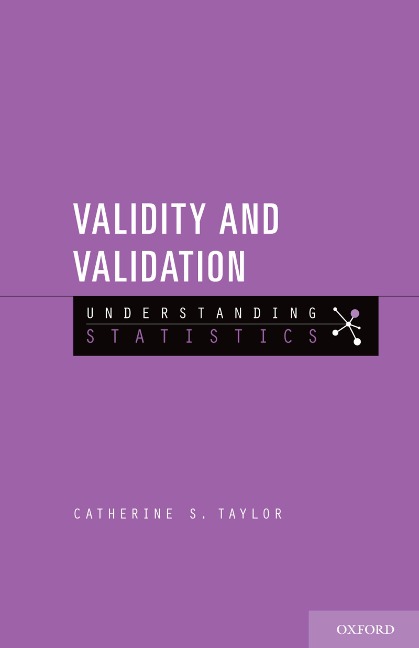
The Understanding Research series focuses on the process of writing up social research. The series is broken down into three categories: Understanding Statistics, Understanding Measurement, and Understanding Qualitative Research. The books provide researchers with guides to understanding, writing, and evaluating social research. Each volume demonstrates how research should be represented, including how to write up the methodology as well as the research findings. Each volume also reviews how to appropriately evaluate published research. Validity and Validation is an introduction to validity theory and to the methods used to obtain evidence for the validity of research and assessment results. The book pulls together the best thinking from educational and psychological research and assessment over the past 50 years. It briefly describes validity theory's roots in the philosophy of science. It highlights the ways these philosophical perspectives influence concepts of internal and external validity in research methodology, as well as concepts of validity and reliability in educational and psychological tests and measurements. Each chapter provides multiple examples (e.g., research designs and examples of output) to help the readers see how validation work is done in practice, from the ways we design research studies to the ways we interpret research results. Of particular importance is the practical focus on validation of scores from tests and other measures. The book also addresses strategies for investigating the validity of inferences we make about examinees using scores from assessments, as well as how to investigate score uses, the value implications of score interpretations, and the social consequences of score use. With this foundation, the book presents strategies for minimizing threats for validity as well as quantitative and qualitative methods for gathering evidence for the validity of scores.
Catherine Taylor is a Professor of Educational Psychology from the University of Washington. Her primary area of research is focused validity issues in large scale testing and classroom-based assessments. She has used her 30 years of diverse experiences in test development and psychometrics, as well as her own validation research work, in the development of this book.
1 Validity and Validation in Research and Assessment 2 Evidence for the Internal Validity of Research Results
3 External Threats to Validity
4 Validity of Statistical Conclusions
5 Construct Related Evidence for Validity
6 Interpretation, Use, and Consequences of Scores from Assessments
7 Validity Theory and Validation Resources
Dieses eBook wird im PDF-Format geliefert und ist mit einem Adobe Kopierschutz (DRM) versehen. Sie können dieses eBook mit allen Geräten lesen, die das PDF-Format und den Adobe Kopierschutz (DRM) unterstützen.
Zum Beispiel mit den folgenden Geräten:
• tolino Reader
Laden Sie das eBook direkt über den Reader-Shop auf dem tolino herunter oder übertragen Sie das eBook auf Ihren tolino mit einer kostenlosen Software wie beispielsweise Adobe Digital Editions.
• Sony Reader & andere eBook Reader
Laden Sie das eBook direkt über den Reader-Shop herunter oder übertragen Sie das eBook mit der kostenlosen Software Sony READER FOR PC/Mac oder Adobe Digital Editions auf ein Standard-Lesegeräte mit epub- und Adobe DRM-Unterstützung.
• Tablets & Smartphones
Möchten Sie dieses eBook auf Ihrem Smartphone oder Tablet lesen, finden Sie hier unsere kostenlose Lese-App für iPhone/iPad und Android Smartphone/Tablets.
• PC & Mac
Lesen Sie das eBook direkt nach dem Herunterladen mit einer kostenlosen Lesesoftware, beispielsweise Adobe Digital Editions, Sony READER FOR PC/Mac oder direkt über Ihre eBook-Bibliothek in Ihrem Konto unter „Meine eBooks“ - „online lesen“.
Schalten Sie das eBook mit Ihrer persönlichen Adobe ID auf bis zu sechs Geräten gleichzeitig frei.
Bitte beachten Sie, dass die Kindle-Geräte das Format nicht unterstützen und dieses eBook somit nicht auf Kindle-Geräten lesbar ist.