Und dann auf "Zum Home-Bildschirm [+]".

Stöbern
genialokal zum Startbildschirm hinzufügen
Installieren Sie die genialokal App auf Ihrem Startbildschirm für einen schnellen Zugriff und eine komfortable Nutzung.
Installieren Sie die genialokal App auf Ihrem Startbildschirm für einen schnellen Zugriff und eine komfortable Nutzung.
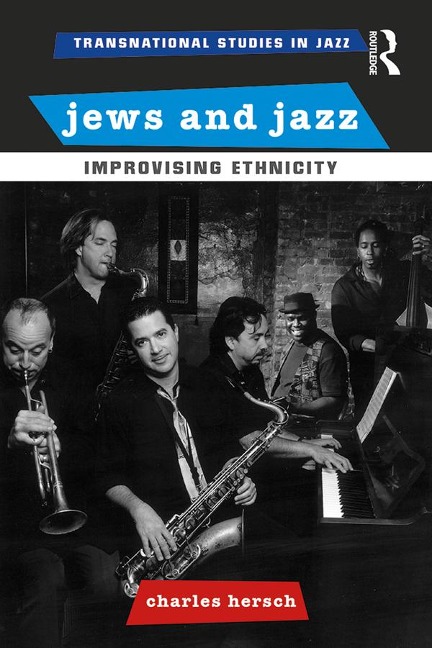
Jews and Jazz: Improvising Ethnicity explores the meaning of Jewish involvement in the world of American jazz. It focuses on the ways prominent jazz musicians like Stan Getz, Benny Goodman, Artie Shaw, Lee Konitz, Dave Liebman, Michael Brecker, and Red Rodney have engaged with jazz in order to explore and construct ethnic identities. The author looks at Jewish identity through jazz in the context of the surrounding American culture, believing that American Jews have used jazz to construct three kinds of identities: to become more American, to emphasize their minority outsider status, and to become more Jewish. From the beginning, Jewish musicians have used jazz for all three of these purposes, but the emphasis has shifted over time. In the 1920s and 1930s, when Jews were seen as foreign, Jews used jazz to make a more inclusive America, for themselves and for blacks, establishing their American identity. Beginning in the 1940s, as Jews became more accepted into the mainstream, they used jazz to "re-minoritize" and avoid over-assimilation through identification with African Americans. Finally, starting in the 1960s as ethnic assertion became more predominant in America, Jews have used jazz to explore and advance their identities as Jews in a multicultural society.
Charles Hersch is Professor of Political Science at Cleveland State University. He is also the author of Democratic Artworks: Politics and the Arts from Trilling to Dylan and Subversive Sounds: Race and the Birth of Jazz in New Orleans.
Part 1: Becoming American 1. Jewish Tin Pan Alley Composers and Musical Pluralism 2. Black-Jewish Integration in the Jazz World from the Swing Era to the 1950s 3. "Listening for the Black Sound": Jews in the Jazz Music Business Part 2: Becoming Black 4. "Every Time I Try to Play Black, It Comes Out Jewish": Jewish Jazz Musicians Cross the Color Line 5. "Matzo Balls-Ereenie": African American Jazz Versions of Jewish Songs Part 3: Becoming Jewish 6. Swinging Hava Nagila: "Jewish Jazz" and Jewish Identity
Dieses eBook wird im PDF-Format geliefert und ist mit einem Adobe Kopierschutz (DRM) versehen. Sie können dieses eBook mit allen Geräten lesen, die das PDF-Format und den Adobe Kopierschutz (DRM) unterstützen.
Zum Beispiel mit den folgenden Geräten:
• tolino Reader
Laden Sie das eBook direkt über den Reader-Shop auf dem tolino herunter oder übertragen Sie das eBook auf Ihren tolino mit einer kostenlosen Software wie beispielsweise Adobe Digital Editions.
• Sony Reader & andere eBook Reader
Laden Sie das eBook direkt über den Reader-Shop herunter oder übertragen Sie das eBook mit der kostenlosen Software Sony READER FOR PC/Mac oder Adobe Digital Editions auf ein Standard-Lesegeräte mit epub- und Adobe DRM-Unterstützung.
• Tablets & Smartphones
Möchten Sie dieses eBook auf Ihrem Smartphone oder Tablet lesen, finden Sie hier unsere kostenlose Lese-App für iPhone/iPad und Android Smartphone/Tablets.
• PC & Mac
Lesen Sie das eBook direkt nach dem Herunterladen mit einer kostenlosen Lesesoftware, beispielsweise Adobe Digital Editions, Sony READER FOR PC/Mac oder direkt über Ihre eBook-Bibliothek in Ihrem Konto unter „Meine eBooks“ - „online lesen“.
Schalten Sie das eBook mit Ihrer persönlichen Adobe ID auf bis zu sechs Geräten gleichzeitig frei.
Bitte beachten Sie, dass die Kindle-Geräte das Format nicht unterstützen und dieses eBook somit nicht auf Kindle-Geräten lesbar ist.