Und dann auf "Zum Home-Bildschirm [+]".

Stöbern
genialokal zum Startbildschirm hinzufügen
Installieren Sie die genialokal App auf Ihrem Startbildschirm für einen schnellen Zugriff und eine komfortable Nutzung.
Installieren Sie die genialokal App auf Ihrem Startbildschirm für einen schnellen Zugriff und eine komfortable Nutzung.

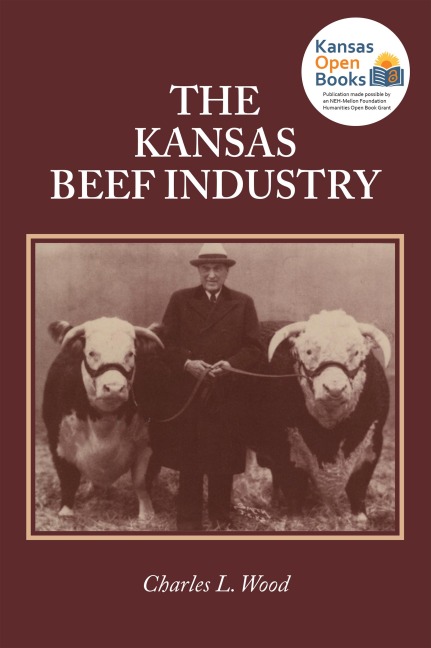
This book relates the modern development of the Kansas beef cattle industry, combining both the history of productionincluding specific business problems and the significant work in upbreedingand an examination of the marketing aspects of the industry that became so important during the twentieth century. Sharpest focus is on the period 1890 to 1940, after the Western beef industry had passed through the transition from using the expansive, open-range method of beef production to the more rational and organized methods of today. Wood presents a detailed discussion of the history of upbreeding. He points out the little-known fact that the fine-blooded animalsespecially Herefordsthat moved out from the Midwest were probably more important in stocking the ranges of the Plains and the Southwest than the many thousands of Longhorns driven from Texas. He emphasizes the interregional aspect of beef production and the unique role played by Kansas. On the threshold of the Great Plains, Kansas received cattle from both the Midwest and the Southwest for many yearsupbred cattle moving South, and stocker cattle moving from the South or Southwest into Kansas for additional maturing before being shipped to the Midwest for fattening or for slaughter. Wood also looks closely at the relationship of cattlemen to government and to big businessrailroads, stockyards, and packers. He sees the cattlemen as agricultural producers and business managers, rather than as romantic, self-reliant giants of the earth. Taking issue with the popular myth that cattlemen were and are ruggedly individualistic and disdainful of outside help, Wood discusses the cattlemen's repeated demands for aid, especially during the 1930s. Included in the book is the history of the Kansas Livestock Association, which the author credits as being one of the most significant stock associations in the West during this century. Wood sets the KLA's growth within the context of the larger organizational revolution in the nation's business world. A concluding chapter surveys major developments after World War II, including the development of feedlots and irrigation, the new cross-breeding, decentralization of packers, and the advent of trucking to replace railroads. There has been scant information on these topics in the general literature of the Great Plains. Open access edition funded by the National Endowment for Humanities and the Andrew W. Mellon Foundation Humanities Open Book Program.
Charles L. Wood (19371981) was assistant professor of history at Texas Tech University, where he taught courses in agricultural and Great Plains history, including the history of American ranching. His articles on American agricultural history have appeared in a number of scholarly journals.
List of Illustrations Kansas Open Books Edition Foreword, Joshua Sprecht Preface 1. Raising Beef during the 1890s 2. Purebreds Move West: The 1890s 3. Big Business and KLA: The 1890s 4. The Transition Completed: Producing Beef, 1900-1920 5. Herefords Triumph: Upbreeding, 1900-1940 6. Mercer Takes Command: Organizations and Livestock Diseases, 1900-1940 7. David and Goliath in Kansas: Cattleman and Railroads, 1900-1920 8. Monopoly and Confusion: Stockyards and Packers, 1900-1920 9. Depressions and Low Prices: Beef Production between the Wars 10. Outside Help: Cattlemen Look to Washington, 1920-1940 11. Beginning a Revolution: Markets, Packers, and Trucks, 1920-1940 12. Postscript: A Glance beyond 1940 Notes Bibliography Index