
Stöbern
genialokal zum Startbildschirm hinzufügen
Installieren Sie die genialokal App auf Ihrem Startbildschirm für einen schnellen Zugriff und eine komfortable Nutzung.
Installieren Sie die genialokal App auf Ihrem Startbildschirm für einen schnellen Zugriff und eine komfortable Nutzung.
Tippen Sie einfach auf Teilen:
 Und dann auf "Zum Home-Bildschirm [+]".
Bei genialokal.de kaufen Sie online bei Ihrer lokalen, inhabergeführten Buchhandlung!
Ihr gewünschter Artikel ist in 0 Buchhandlungen vorrätig - wählen Sie hier eine Buchhandlung in Ihrer Nähe aus:

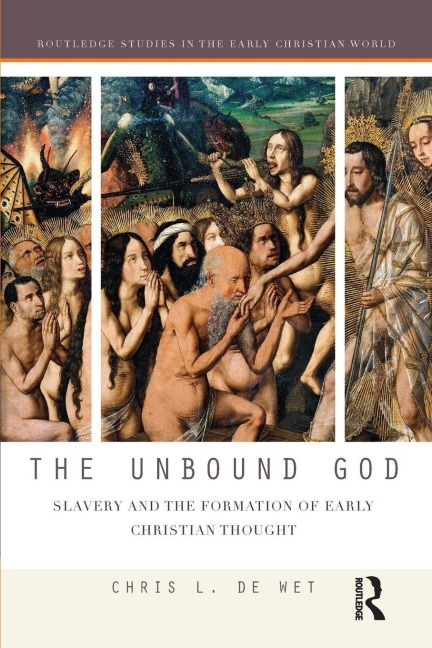
This volume examines the prevalence, function, and socio-political effects of slavery discourse in the major theological formulations of the late third to early fifth centuries AD, arguably the most formative period of early Christian doctrine. The question the book poses is this: in what way did the Christian theologians of the third, fourth, and early fifth centuries appropriate the discourse of slavery in their theological formulations, and what could the effect of this appropriation have been for actual physical slaves? This fascinating study is crucial reading for anyone with an interest in early Christianity or Late Antiquity, and slavery more generally.
Chris L. de Wet is Associate Professor of New Testament and Early Christian Studies at the University of South Africa, and the Editor of the Journal of Early Christian History. He is also the author of Preaching Bondage: John Chrysostom and the Discourse of Slavery in Early Christianity (2015).
Chapter 1 Introducing Early Christian Doulology: Slavery to God, Doulological Classifications, and Early Christian Identity Chapter 2 Savior or Slave? Philippians 2:6-11 and the Problem of Slavery in Origen's Christology Chapter 3 Emancipating the Spirit: Slavery and Early Christian Pneumatology in Eunomius and Basil of Caesarea Chapter 4 The Curse of Ham (Gen. 9:18-27): Slavery, Sin, and Punishment in John Chrysostom, Augustine, and the Cave of Treasures Chapter 5 Conclusion: The Unbound God Primary Sources Secondary Sources Index