Und dann auf "Zum Home-Bildschirm [+]".

Stöbern
genialokal zum Startbildschirm hinzufügen
Installieren Sie die genialokal App auf Ihrem Startbildschirm für einen schnellen Zugriff und eine komfortable Nutzung.
Installieren Sie die genialokal App auf Ihrem Startbildschirm für einen schnellen Zugriff und eine komfortable Nutzung.
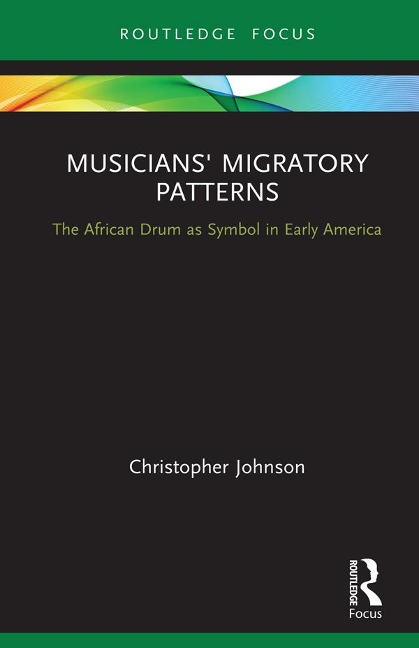
Musicians' Migratory Patterns: The African Drum as Symbol in Early America questions the ban that was placed on the African drum in early America. It shows the functional use of the drum for celebrations, weddings, funerals, religious ceremonies, and nonviolent communication. The assumption that "drums and horns" were used to communicate in slave revolts is undone in this study. Rather, this volume seeks to consider the "social place" of the drum for both blacks and whites of the time, using the writings of Europeans and colonial-era Americans, the accounts of African American free persons and slaves, the period instruments, and numerous illustrations of paintings and sculpture. The image of the drum was effectively appropriated by Europeans and Americans who wrote about African American culture, particularly in the nineteenth century, and re-appropriated by African American poets and painters in the early twentieth century who recreated a positive nationalist view of their African past. Throughout human history, cultural objects have been banned by one group to be used another, objects that include books, religious artifacts, and ways of dress. This study unlocks a metaphor that is at the root of racial bias-the idea of what is primitive-while offering a fresh approach by promoting the construct of multiple-points-of-view for this social-historical presentation.
Christopher Johnson was a Research Fellow at the W.E.B. Du Bois Institute for Afro-American Research at Harvard University. He served on the faculty of the Institute for Doctoral Studies in the Visual Arts (IDSVA), Portland, ME., and the Eugene Lang College of Liberal Arts at the New School in Manhattan.
Introduction / Chapter One: Observers of Culture / Chapter Two: Performance Practices / Chapter Three: The Drum's Prohibition through Time / Chapter Four: Surrogates: Juba, Shouts & Rhythm / Epilogue
Dieses eBook wird im PDF-Format geliefert und ist mit einem Adobe Kopierschutz (DRM) versehen. Sie können dieses eBook mit allen Geräten lesen, die das PDF-Format und den Adobe Kopierschutz (DRM) unterstützen.
Zum Beispiel mit den folgenden Geräten:
• tolino Reader
Laden Sie das eBook direkt über den Reader-Shop auf dem tolino herunter oder übertragen Sie das eBook auf Ihren tolino mit einer kostenlosen Software wie beispielsweise Adobe Digital Editions.
• Sony Reader & andere eBook Reader
Laden Sie das eBook direkt über den Reader-Shop herunter oder übertragen Sie das eBook mit der kostenlosen Software Sony READER FOR PC/Mac oder Adobe Digital Editions auf ein Standard-Lesegeräte mit epub- und Adobe DRM-Unterstützung.
• Tablets & Smartphones
Möchten Sie dieses eBook auf Ihrem Smartphone oder Tablet lesen, finden Sie hier unsere kostenlose Lese-App für iPhone/iPad und Android Smartphone/Tablets.
• PC & Mac
Lesen Sie das eBook direkt nach dem Herunterladen mit einer kostenlosen Lesesoftware, beispielsweise Adobe Digital Editions, Sony READER FOR PC/Mac oder direkt über Ihre eBook-Bibliothek in Ihrem Konto unter „Meine eBooks“ - „online lesen“.
Schalten Sie das eBook mit Ihrer persönlichen Adobe ID auf bis zu sechs Geräten gleichzeitig frei.
Bitte beachten Sie, dass die Kindle-Geräte das Format nicht unterstützen und dieses eBook somit nicht auf Kindle-Geräten lesbar ist.