Und dann auf "Zum Home-Bildschirm [+]".

Stöbern
genialokal zum Startbildschirm hinzufügen
Installieren Sie die genialokal App auf Ihrem Startbildschirm für einen schnellen Zugriff und eine komfortable Nutzung.
Installieren Sie die genialokal App auf Ihrem Startbildschirm für einen schnellen Zugriff und eine komfortable Nutzung.
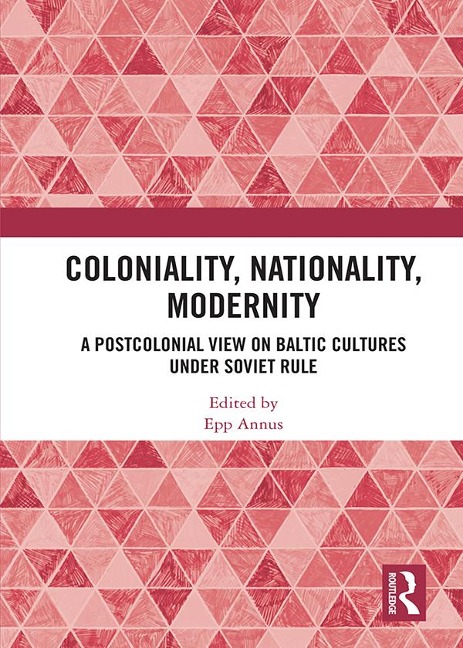
Soviet postcolonial studies is an emerging field of critical inquiry, with its locus of interest in colonial aspects of the Soviet experience in the USSR and beyond. The articles in this collection offer a postcolonial perspective on Baltic societies and cultures - that is, a perspective sensitive to the effects of Soviet colonialism. The colonial situation is typically sustained by the help of colonial discourses which carry the pathos of progress and civilization. In Soviet colonial discourse, the pathos of progress is presented in terms of communist value systems, which developed certain principles of the European Enlightenment and rearticulated them through Soviet ideology. This collection explores the establishment of Soviet colonial power structures, but also strategic continuities between Soviet and Tsarist rule and the legacy of Soviet colonialism in post-Soviet Baltics. Soviet norms and rules, imposed upon the Baltic borderlands, produced new forms of transculturation, gave birth to new cultural 'authenticities,' and developed complex entanglements of colonial, modern and national impulses. Analyses of colonial patterns in Soviet and post-Soviet Baltic societies helps bring us closer to understanding the Soviet legacy in the former Soviet borderlands and in present-day Russia. The chapters were originally published in a special issue of the Journal of Baltic Studies.
Epp Annus is a lecturer at Ohio State University and a senior researcher with the Estonian Literature Museum. She is the author of Soviet Postcolonial Studies: A View from the Western Borderlands (Routledge, 2018).
Introduction: Between arts and politics: A postcolonial view on Baltic cultures of the Soviet era Epp Annus 1. Comparing colonial differences: Baltic literary cultures as agencies of Europe's internal others Benedikts Kalnacs 2. Postcolonial theory as a means to understand Estonian art history Jaak Kangilaski 3. The Sovietization of Lithuania after WWII: modernization, transculturation, and the lettered city Violeta Davoliute 4. Orientalism, otherness, and the Soviet empire: travelogues by Latvian writers of the Soviet period Maija Burima 5. Bourgeoisie as internal orient in the Soviet Lithuanian literature: Roses Are Red by A. Bieliauskas, 1959 Rasa Balockaite 6. Post-colonial folk dancing: reflections on the impact of stage folk dance style on traditional folk dance variation in Soviet and post-Soviet Estonia Sille Kapper 7. Estonian nationalism through the postcolonial lens Piret Peiker 8. Can postcolonial theory help explain Latvian politics of integration? Reflections on contemporary Latvia as a postcolonial society Deniss Hanovs
Dieses eBook wird im PDF-Format geliefert und ist mit einem Adobe Kopierschutz (DRM) versehen. Sie können dieses eBook mit allen Geräten lesen, die das PDF-Format und den Adobe Kopierschutz (DRM) unterstützen.
Zum Beispiel mit den folgenden Geräten:
• tolino Reader
Laden Sie das eBook direkt über den Reader-Shop auf dem tolino herunter oder übertragen Sie das eBook auf Ihren tolino mit einer kostenlosen Software wie beispielsweise Adobe Digital Editions.
• Sony Reader & andere eBook Reader
Laden Sie das eBook direkt über den Reader-Shop herunter oder übertragen Sie das eBook mit der kostenlosen Software Sony READER FOR PC/Mac oder Adobe Digital Editions auf ein Standard-Lesegeräte mit epub- und Adobe DRM-Unterstützung.
• Tablets & Smartphones
Möchten Sie dieses eBook auf Ihrem Smartphone oder Tablet lesen, finden Sie hier unsere kostenlose Lese-App für iPhone/iPad und Android Smartphone/Tablets.
• PC & Mac
Lesen Sie das eBook direkt nach dem Herunterladen mit einer kostenlosen Lesesoftware, beispielsweise Adobe Digital Editions, Sony READER FOR PC/Mac oder direkt über Ihre eBook-Bibliothek in Ihrem Konto unter „Meine eBooks“ - „online lesen“.
Schalten Sie das eBook mit Ihrer persönlichen Adobe ID auf bis zu sechs Geräten gleichzeitig frei.
Bitte beachten Sie, dass die Kindle-Geräte das Format nicht unterstützen und dieses eBook somit nicht auf Kindle-Geräten lesbar ist.