Und dann auf "Zum Home-Bildschirm [+]".

Stöbern
genialokal zum Startbildschirm hinzufügen
Installieren Sie die genialokal App auf Ihrem Startbildschirm für einen schnellen Zugriff und eine komfortable Nutzung.
Installieren Sie die genialokal App auf Ihrem Startbildschirm für einen schnellen Zugriff und eine komfortable Nutzung.
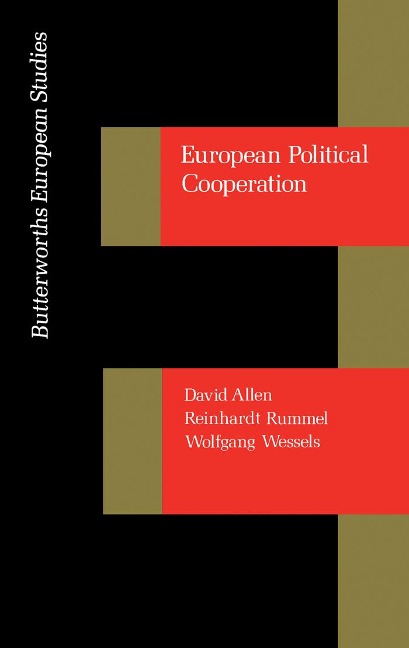
European Political Cooperation: Towards a Foreign Policy for Western Europe presents the conclusions of a study group on European Political Cooperation (EPC). This book discusses the EPC and management of foreign policy, Luxembourg and Copenhagen reports, and coordination in the European council and council of ministers. The national inputs into EPC, EPC structures in the nine national capitals, problems of East-West relations, and political cooperation and Euro-Arab dialogue are also deliberated. This text likewise covers the Portuguese revolution and its aftermath, special relations with outside states, possible adaptations of the EPC's structure, and division of labor between the EEC and EPC. This publication is suitable for students and researchers intending to acquire knowledge of the foreign policies for Western Europe.
List of ContributorsIntroduction to the English Edition1 European Political Cooperation: A New Approach to Foreign Policy 1.1 Introduction 1.2 EPC and the Management of Foreign Policy 1.2.1 Internal Factors 1.2.2 External Factors: The Role of the Nine in the International System 1.3 EPC and European Integration 1.4 Conclusions2 European Political Cooperation: The Historical and Contemporary Background 2.1 Introduction 2.2 Prehistory of EPC 2.3 The Luxembourg and Copenhagen Reports 2.4 Interests and Motives 2.5 The General Political Context3 The Dual Structure of EPC and Community Activities: Problems of Coordination 3.1 Coordination in the European Council and the Council of Ministers 3.2 Participation of the Commission in Political Cooperation 3.3 Coreper and the European Parliament in Political Cooperation 3.4 Limits of Coordination4 National Inputs Into European Political Cooperation 4.1 EPC and EEC: The Question of Separate Procedures 4.2 The Burden of the Presidency 4.3 The Role of National Parliaments 4.4 EPC Structures in the Nine National Capitals 4.5 The Need for Reform5 the Nine At the Conference On Security and Cooperation in Europe 5.1 Problems of East-West Relations 5.2 The Preparation of the Nine's Coordinated Position 5.3 Conclusions: The Nine's Leadership Role in the CSCE6 Political Cooperation and the Euro-Arab Dialogue7 Euro-American Relations and European Political Cooperation 7.1 From the Formation of the Community to the Nixon Era 7.2 The Year of Europe 7.3 The Gymnich Agreement 7.4 The Relationship Between Us and European Diplomacy8 Political Cooperation and Southern Europe: Case Studies in Crisis Management 8.1 The Portuguese Revolution and its Aftermath 8.2 The Cyprus Crisis of 1974 8.3 Troubles in Spain: The Burgos Trial and the Franco Succession 8.4 Conclusions: The Limited Potential for Crisis Management9 European Political Cooperation at the Un: A Challenge for the Nine 9.1 The Un-A Challenge for European Political Cooperation 9.1.1 The Special Political Situation in the General Assembly 9.1.2 The Nine and the Other Western Countries 9.1.3 Special Relations with Outside States 9.1.4 The Security Council 9.2 The Work of the Nine 9.2.1 Instruments of Policy 9.2.2 The Common Approach and its Limits: Voting Behaviour 9.3 Conclusions10 European Political Cooperation and Southern Africa11 The Future of European Political Cooperation 11.1 Introduction 11.2 The Nine's Essential Areas of Operation 11.3 Future Functions of EPC 11.4 Possible Adaptations of the EPC's Structure 11.5 The Division of Labour Between the EEC and EPC 11.6 The Question of Accountability 11.7 Conclusions12 Postscript 1982Subject Index