Und dann auf "Zum Home-Bildschirm [+]".

Stöbern
genialokal zum Startbildschirm hinzufügen
Installieren Sie die genialokal App auf Ihrem Startbildschirm für einen schnellen Zugriff und eine komfortable Nutzung.
Installieren Sie die genialokal App auf Ihrem Startbildschirm für einen schnellen Zugriff und eine komfortable Nutzung.
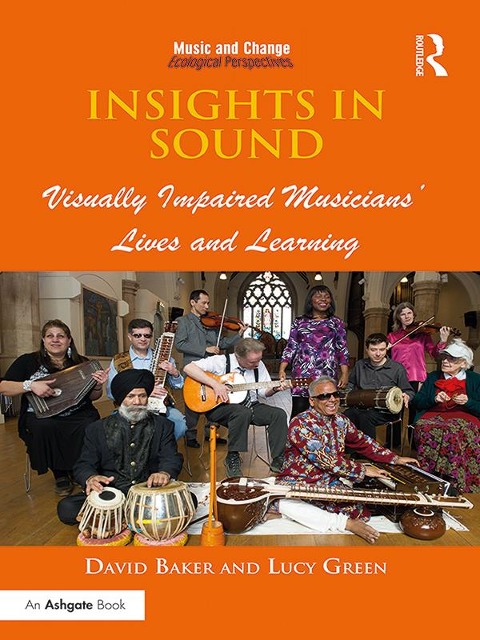
Music has long been a way in which visually impaired people could gain financial independence, excel at a highly-valued skill, or simply enjoy musical participation. Existing literature on visual impairment and music includes perspectives from the social history of music, ethnomusicology, child development and areas of music psychology, music therapy, special educational needs, and music education, as well as more popular biographical texts on famous musicians. But there has been relatively little sociological research bringing together the views and experiences of visually impaired musicians themselves across the life course. Insights in Sound: Visually Impaired Musicians' Lives and Learning aims to increase knowledge and understanding both within and beyond this multifaceted group. Through an international survey combined with life-history interviews, a vivid picture is drawn of how visually impaired musicians approach and conceive their musical activities, with detailed illustrations of the particular opportunities and challenges faced by a variety of individuals. Baker and Green look beyond affiliation with particular musical styles, genres, instruments or practices. All 'levels' are included: from adult beginners to those who have returned to music-making after a gap; and from 'regular' amateur and professional musicians, to some who are extraordinarily 'elite' or 'successful'. Themes surrounding education, training, and informal learning; notation and ear playing; digital technologies; and issues around disability, identity, opportunity, marginality, discrimination, despair, fulfilment, and joy surfaced, as the authors set out to discover, analyse, and share insights into the worlds of these musicians.
Note On The Text Chapter 1: Background, Aims, And Context Chapter 2: Musical Starting Points And Reasons For Involvement Chapter 3: Learning At School Chapter 4: Teachers' Knowledge And Skills; Students' Confidence And Autonomy Chapter 5: Light, Gesture, Language And Touch In Music Teaching And Learning Chapter 6: Learning And Participation Beyond The School Chapter 7: Visual, Tactile And Aural Media: Stave Notation, Braille Music, And The Ear Chapter 8: Being A "Musician" Or Being A "Disabled Musician" Chapter 9: Digital Music Technologies: The Changing Landscape Chapter 10: Digital Music Technologies, Access, And The Music Industry Chapter 11: Aspirations And The Search For Fulfillment As A Musician
Dieses eBook wird im PDF-Format geliefert und ist mit einem Adobe Kopierschutz (DRM) versehen. Sie können dieses eBook mit allen Geräten lesen, die das PDF-Format und den Adobe Kopierschutz (DRM) unterstützen.
Zum Beispiel mit den folgenden Geräten:
• tolino Reader
Laden Sie das eBook direkt über den Reader-Shop auf dem tolino herunter oder übertragen Sie das eBook auf Ihren tolino mit einer kostenlosen Software wie beispielsweise Adobe Digital Editions.
• Sony Reader & andere eBook Reader
Laden Sie das eBook direkt über den Reader-Shop herunter oder übertragen Sie das eBook mit der kostenlosen Software Sony READER FOR PC/Mac oder Adobe Digital Editions auf ein Standard-Lesegeräte mit epub- und Adobe DRM-Unterstützung.
• Tablets & Smartphones
Möchten Sie dieses eBook auf Ihrem Smartphone oder Tablet lesen, finden Sie hier unsere kostenlose Lese-App für iPhone/iPad und Android Smartphone/Tablets.
• PC & Mac
Lesen Sie das eBook direkt nach dem Herunterladen mit einer kostenlosen Lesesoftware, beispielsweise Adobe Digital Editions, Sony READER FOR PC/Mac oder direkt über Ihre eBook-Bibliothek in Ihrem Konto unter „Meine eBooks“ - „online lesen“.
Schalten Sie das eBook mit Ihrer persönlichen Adobe ID auf bis zu sechs Geräten gleichzeitig frei.
Bitte beachten Sie, dass die Kindle-Geräte das Format nicht unterstützen und dieses eBook somit nicht auf Kindle-Geräten lesbar ist.