Und dann auf "Zum Home-Bildschirm [+]".

Stöbern
genialokal zum Startbildschirm hinzufügen
Installieren Sie die genialokal App auf Ihrem Startbildschirm für einen schnellen Zugriff und eine komfortable Nutzung.
Installieren Sie die genialokal App auf Ihrem Startbildschirm für einen schnellen Zugriff und eine komfortable Nutzung.
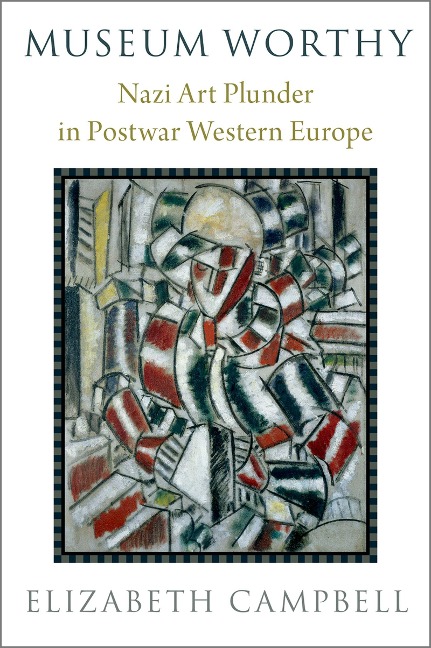
Art looting is commonly recognized as a central feature of Nazi expropriation, in both the Third Reich and occupied territories. After the war, the famed Monuments Men (and women) recovered several hundred thousand pieces from the Germans' makeshift repositories in churches, castles, and salt mines. Well publicized restitution cases, such as that of Gustav Klimt's luminous painting featured in the film Woman in Gold, illustrate the legacy of Nazi looting in the art world today. But what happened to looted art that was never returned to its rightful owners? In France, Belgium, and the Netherlands, postwar governments appropriated the most coveted unclaimed works for display in museums, embassies, ministries, and other public buildings. Following cultural property norms of the time, the governments created custodianships over the unclaimed pieces, without using archives in their possession to carry out thorough provenance (ownership) research. This policy extended the dispossession of Jewish owners wrought by the Nazis and their collaborators well into the twenty-first century. The custodianships included more than six hundred works in Belgium, five thousand works in the Netherlands, and some two thousand in France. They included paintings by traditional and modern masters, such as Rembrandt, Cranach, Rubens, Van der Weyden, Tiepolo, Picasso, and Matisse. This appropriation of plundered assets endured without controversy until the mid-1990s, when activists and journalists began challenging the governments' right to hold these items, ushering in a period of cultural property litigation that endures to this day. Including interviews that have never before been published, Museum Worthy deftly examines the appropriation of Nazi art plunder by postwar governments and highlights the increasingly successful postwar art recovery and restitution process.
Elizabeth Campbell is Professor of History and Director of the Center for Art Collection Ethics at the University of Denver. She is the author of Defending National Treasures: French Art and Heritage under Vichy.
Introduction: Nazi Plunder and National Patrimony 1. Nazi Art Plunder in Western Europe 2. Allied Victory and Art Recovery 3. Negotiating Cultural Restitution 4. Recovered Art as French Patrimony 5. National Heritage in the Netherlands 6. Restoring Belgian Artistic Heritage 7. Contested Patrimony since 1955 Conclusion: A New Era of Museum Ethics Notes Bibliography Index
Dieses eBook wird im PDF-Format geliefert und ist mit einem Adobe Kopierschutz (DRM) versehen. Sie können dieses eBook mit allen Geräten lesen, die das PDF-Format und den Adobe Kopierschutz (DRM) unterstützen.
Zum Beispiel mit den folgenden Geräten:
• tolino Reader
Laden Sie das eBook direkt über den Reader-Shop auf dem tolino herunter oder übertragen Sie das eBook auf Ihren tolino mit einer kostenlosen Software wie beispielsweise Adobe Digital Editions.
• Sony Reader & andere eBook Reader
Laden Sie das eBook direkt über den Reader-Shop herunter oder übertragen Sie das eBook mit der kostenlosen Software Sony READER FOR PC/Mac oder Adobe Digital Editions auf ein Standard-Lesegeräte mit epub- und Adobe DRM-Unterstützung.
• Tablets & Smartphones
Möchten Sie dieses eBook auf Ihrem Smartphone oder Tablet lesen, finden Sie hier unsere kostenlose Lese-App für iPhone/iPad und Android Smartphone/Tablets.
• PC & Mac
Lesen Sie das eBook direkt nach dem Herunterladen mit einer kostenlosen Lesesoftware, beispielsweise Adobe Digital Editions, Sony READER FOR PC/Mac oder direkt über Ihre eBook-Bibliothek in Ihrem Konto unter „Meine eBooks“ - „online lesen“.
Schalten Sie das eBook mit Ihrer persönlichen Adobe ID auf bis zu sechs Geräten gleichzeitig frei.
Bitte beachten Sie, dass die Kindle-Geräte das Format nicht unterstützen und dieses eBook somit nicht auf Kindle-Geräten lesbar ist.