Und dann auf "Zum Home-Bildschirm [+]".

Stöbern
genialokal zum Startbildschirm hinzufügen
Installieren Sie die genialokal App auf Ihrem Startbildschirm für einen schnellen Zugriff und eine komfortable Nutzung.
Installieren Sie die genialokal App auf Ihrem Startbildschirm für einen schnellen Zugriff und eine komfortable Nutzung.
Ihr gewünschter Artikel ist in 0 Buchhandlungen vorrätig - wählen Sie hier eine Buchhandlung in Ihrer Nähe aus:

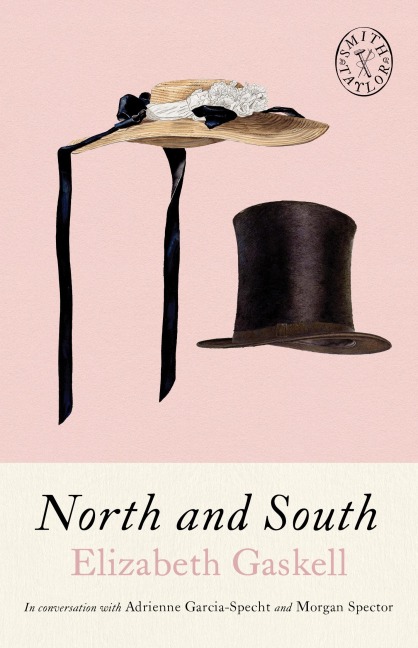
This Smith & Taylor Classics keepsake edition reintroduces Elizabeth Gaskell’s enduring tale of love, labor, and social change. Set amid the rapidly changing social, spiritual, and moral landscape of the industrial revolution, North and South is a forceful, brilliant, and romantic novel about freedom and the cost of profit. When Margaret Hale, a minister’s daughter, relocates with her family to Milton in the north of England she witnesses firsthand the brutal working conditions in Milton’s factories and mills. Her liberal education has given her strong convictions, but little common sense, and her pity finds a mostly unsympathetic ear among the gruff mill workers and their families. Magaret is most vexed by a local industrialist and mill-owner, John Thornton, whom she considers contemptuous and bull-headed. But through her clashes with Thornton and her growing affinity for the workers and their plight for survival, Margaret comes to see the world as a much more complicated place, and that her earlier pity was not charity but a kind of arrogance. Thunderously philosophical and compulsively readable, North and South is a vivid portrayal of not only unthinking conformity or selfish individualism, but the power of vulnerability and change. Featuring a conversational afterword from writer Adrienne Garcia-Specht and actor Morgan Spector.
Elizabeth Cleghorn Gaskell (1810-1865) was born in London but she spent her formative years in Cheshire, Stratford-upon-Avon and the north of England. In 1832 she married Unitarian minister Reverend William Gaskell of Manchester. As well as leading a busy domestic life as minister’s wife and mother of four daughters, she worked among the poor, traveled frequently, and wrote. Mary Barton (1848) was her first success. She met Charlotte Brontë in 1850 and wrote the controversial biography of her late friend’s life, The Life of Charlotte Brontë (1857).