Und dann auf "Zum Home-Bildschirm [+]".

Stöbern
genialokal zum Startbildschirm hinzufügen
Installieren Sie die genialokal App auf Ihrem Startbildschirm für einen schnellen Zugriff und eine komfortable Nutzung.
Installieren Sie die genialokal App auf Ihrem Startbildschirm für einen schnellen Zugriff und eine komfortable Nutzung.
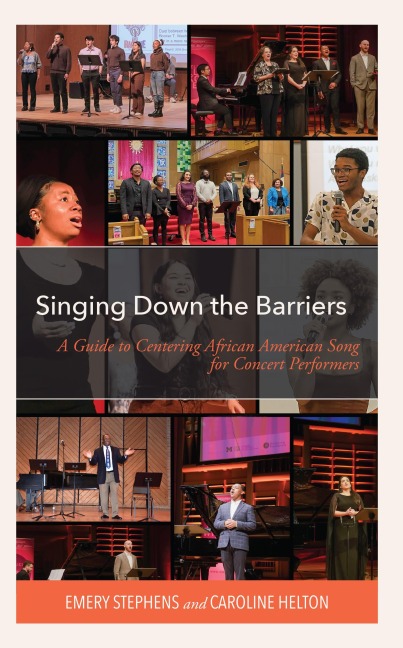
Never has there been a more urgent time to foster cultural humility, diversity, and community dialogue while addressing systemically exclusionary teaching practices in vocal music. Singing Down the Barriers offers readers from all ethnic backgrounds a space in which to better understand the historical and cultural barriers to researching, programming, and performing repertoire by composers from the African diaspora. Emery Stephens and Caroline Helton present a pedagogical guide for singers, singing teachers, students, and administrators that will assist not only with programming but also in creating sustainable, brave spaces for critical conversations on race, equity, and American music. The book is divided into three parts: Part one presents historical context for African American song from the 19th century to the 21st century.Part two examines the culture of academic institutions and provides a framework for positive change.Part three provides strategies to foster integrated communities that can explore this repertoire with respect and mutual support as well as ways to incorporate Afrocentric music into the canon.This book is a seminal resource for higher education, community music programs, private studios, and beyond, and will help support DEI initiatives for vocal music programs.
Emery Stephens, baritone, is an assistant professor of voice at St. Olaf College. He has delivered presentations for the College Music Society, Race and Pedagogy National Conference, African American Art Song Alliance, National Association for the Study and Performance of African American Music, and the Singing Down the Barriers Institute.
List of Figures
Preface
Introduction: What is the "Singing Down the Barriers" Project?
Section I: Historical Foundations and Context
Chapter 1: American Music in the 19th Century through an Inclusive Lens
Chapter 2: The Early Twentieth Century: Race, Music, Popular Culture and the Harlem Renaissance
Chapter 3: Post-War, the Civil Rights Era, and Beyond
Section II. Institutional Interventions
Chapter 4: The Academy as an Agent of Restorative Justice through Pedagogy, Performance, Research, and Community Engagement
Chapter 5: Influence and Inspiration: Understanding Context and Cultural Influences in Classical American Vocal Music
Chapter 6: Centering the African American Experience: Spirituals and Non-classical Genres in the Voice Studio
Section III: Strategies for Creating Community and Building Music Ecosystems
Chapter 7: Allyship, Permission, and Informed Performance Practice
Chapter 8 :Facilitating Meaningful Conversations and Building Relationships: How to Create Vibrant Music Ecosystems in the Academy
Chapter 9: Community Engagement, Data Collection, and Audience Development
Selected Bibliography and Resources
Selected Song Anthologies and Collections
Glossary
Index
About the Authors
Dieses eBook wird im PDF-Format geliefert und ist mit einem Adobe Kopierschutz (DRM) versehen. Sie können dieses eBook mit allen Geräten lesen, die das PDF-Format und den Adobe Kopierschutz (DRM) unterstützen.
Zum Beispiel mit den folgenden Geräten:
• tolino Reader
Laden Sie das eBook direkt über den Reader-Shop auf dem tolino herunter oder übertragen Sie das eBook auf Ihren tolino mit einer kostenlosen Software wie beispielsweise Adobe Digital Editions.
• Sony Reader & andere eBook Reader
Laden Sie das eBook direkt über den Reader-Shop herunter oder übertragen Sie das eBook mit der kostenlosen Software Sony READER FOR PC/Mac oder Adobe Digital Editions auf ein Standard-Lesegeräte mit epub- und Adobe DRM-Unterstützung.
• Tablets & Smartphones
Möchten Sie dieses eBook auf Ihrem Smartphone oder Tablet lesen, finden Sie hier unsere kostenlose Lese-App für iPhone/iPad und Android Smartphone/Tablets.
• PC & Mac
Lesen Sie das eBook direkt nach dem Herunterladen mit einer kostenlosen Lesesoftware, beispielsweise Adobe Digital Editions, Sony READER FOR PC/Mac oder direkt über Ihre eBook-Bibliothek in Ihrem Konto unter „Meine eBooks“ - „online lesen“.
Schalten Sie das eBook mit Ihrer persönlichen Adobe ID auf bis zu sechs Geräten gleichzeitig frei.
Bitte beachten Sie, dass die Kindle-Geräte das Format nicht unterstützen und dieses eBook somit nicht auf Kindle-Geräten lesbar ist.