Und dann auf "Zum Home-Bildschirm [+]".

Stöbern
genialokal zum Startbildschirm hinzufügen
Installieren Sie die genialokal App auf Ihrem Startbildschirm für einen schnellen Zugriff und eine komfortable Nutzung.
Installieren Sie die genialokal App auf Ihrem Startbildschirm für einen schnellen Zugriff und eine komfortable Nutzung.
Ihr gewünschter Artikel ist in 0 Buchhandlungen vorrätig - wählen Sie hier eine Buchhandlung in Ihrer Nähe aus:

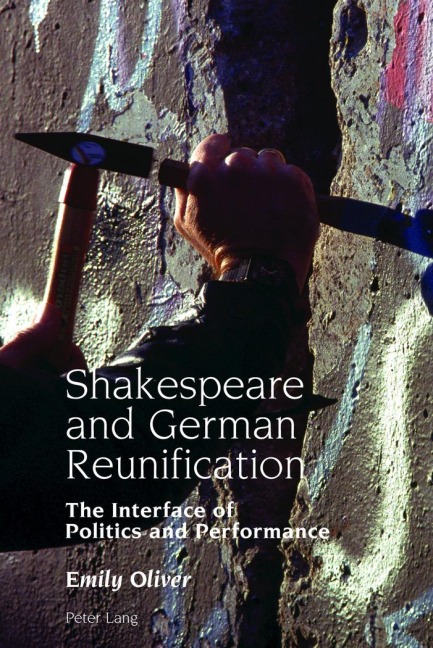
This book explores the relationship between politics and Shakespeare performance in East Germany before, during and after reunification in 1990. Analysing a wide range of case studies from Berlin as well as more peripheral towns and cities, the author argues that the capacity for political intervention in Shakespeare performances in East Germany was limited by a number of factors, including the influence of the government and an underlying distrust of the public. However, East German theatre practitioners proved useful to the 1989 protest movement precisely because they occupied a unique position at the interface of dissidence and state power. Using Shakespeare performance as a lens, the book examines political and aesthetic censorship before reunification and the enormous financial difficulties theatre faced in its aftermath, asking what role Shakespeare played for Germans both within and beyond the theatre.
Emily Oliver is a Leverhulme Early Career Fellow in the School of Modern Languages and Cultures at the University of Warwick. Her research focuses on AnglöGerman cultural relations in the twentieth century. She is currently heading the research project «Broadcasting Nations: A History of the BBC German Service (1938-1999)».
CONTENTS: Introduction: Shakespeare and the Wende - East German Shakespeare in the 1980s - Shakespeare and the Politics of the Wende - Post-Reunification Shakespeare - «Must I Remember?»: Memorializing GDR Theatre.