Und dann auf "Zum Home-Bildschirm [+]".

Stöbern
genialokal zum Startbildschirm hinzufügen
Installieren Sie die genialokal App auf Ihrem Startbildschirm für einen schnellen Zugriff und eine komfortable Nutzung.
Installieren Sie die genialokal App auf Ihrem Startbildschirm für einen schnellen Zugriff und eine komfortable Nutzung.
Ihr gewünschter Artikel ist in 0 Buchhandlungen vorrätig - wählen Sie hier eine Buchhandlung in Ihrer Nähe aus:

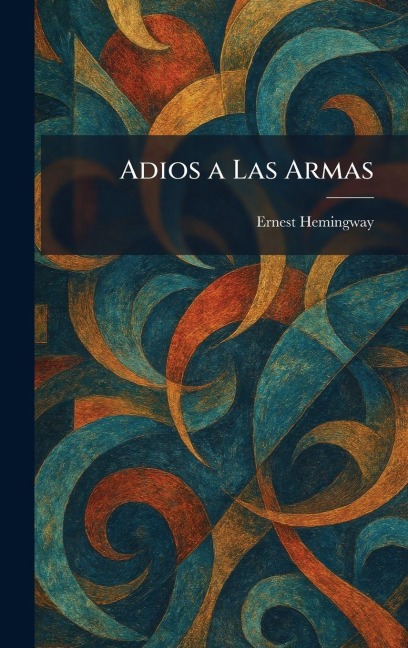
"Adios a Las Armas" es una de las obras más emblemáticas de la literatura del siglo XX y una pieza fundamental en la trayectoria de Ernest Hemingway. Ambientada en el frente italiano durante la Primera Guerra Mundial, la novela narra la intensa y conmovedora historia de amor entre Frederic Henry, un joven teniente estadounidense que sirve como conductor de ambulancias, y Catherine Barkley, una enfermera británica dedicada a su labor humanitaria. A través de una prosa directa y cargada de realismo, Hemingway explora la brutalidad del conflicto bélico y el profundo desencanto de una generaciÃ3n marcada por la violencia. La obra captura con maestrÃ-a la dualidad entre el horror de las trincheras y la ternura de un romance que busca refugio en medio del caos. Con descripciones memorables de la retirada de Caporetto y la lucha por la supervivencia personal, el autor logra un retrato crudo pero profundamente humano sobre el sacrificio y la pérdida. Considerada una obra maestra de la narrativa moderna, "Adios a Las Armas" trasciende el género de la novela de guerra para convertirse en una meditaciÃ3n universal sobre la fragilidad de la esperanza y la bðsqueda de sentido en tiempos de crisis. Es un testimonio literario imprescindible que define el espÃ-ritu de la "GeneraciÃ3n Perdida" y consolida el legado de Hemingway como uno de los grandes cronistas de la condiciÃ3n humana. This work has been selected by scholars as being culturally important, and is part of the knowledge base of civilization as we know it. This work was reproduced from the original artifact, and remains as true to the original work as possible. Therefore, you may see the original copyright references, library stamps (as most of these works have been housed in our most important libraries around the world), and other notations in the work. This work is in the public domain in the United States of America, and possibly other nations. Within the United States, you may freely copy and distribute this work, as no entity (individual or corporate) has a copyright on the body of the work. As a reproduction of a historical artifact, this work may contain missing or blurred pages, poor pictures, errant marks, etc. Scholars believe, and we concur, that this work is important enough to be preserved, reproduced, and made generally available to the public. We appreciate your support of the preservation process, and thank you for being an important part of keeping this knowledge alive and relevant.