Und dann auf "Zum Home-Bildschirm [+]".

Stöbern
genialokal zum Startbildschirm hinzufügen
Installieren Sie die genialokal App auf Ihrem Startbildschirm für einen schnellen Zugriff und eine komfortable Nutzung.
Installieren Sie die genialokal App auf Ihrem Startbildschirm für einen schnellen Zugriff und eine komfortable Nutzung.
Ihr gewünschter Artikel ist in 0 Buchhandlungen vorrätig - wählen Sie hier eine Buchhandlung in Ihrer Nähe aus:

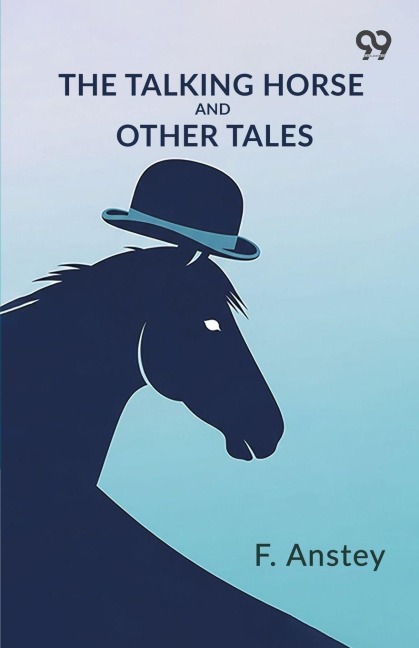
The talking horse and other tales blends satire, whimsy, and the fantastic to explore the absurdities of social behavior and the unpredictability of human ambition. The collection uses surreal elements - such as a talking horse - to expose the vanity, awkwardness, and self-delusion that often govern everyday life. Through light-hearted storytelling and sharply drawn characters, the work underscores how miscommunication, eccentricity, and overconfidence can lead to unexpected and humorous consequences. Rather than relying on elaborate plot, the tales focus on moments of surprise and irony, suggesting that reality is often as strange as fiction. The use of fantasy allows for exaggerated portrayals of manners and status, revealing the fragile nature of self-image in a world obsessed with appearances. Each story invites reflection on how people handle embarrassment, desire, and confusion when faced with the extraordinary. The collection balances charm with insight, crafting a narrative voice that is both amused and gently critical of the odd rituals and routines that shape polite society.
Thomas Anstey Guthrie was an English writer best known for his humorous novel Vice Versa, about a boarding school child and his father who switch identities. The Tinted Venus, as well as other funny parodies in Punch magazine, reinforced his reputation. He was born in Kensington, London, to organist and composer Augusta Amherst Austen and Thomas Anstey Guthrie. He was educated at King's College School and Trinity Hall, Cambridge, and admitted to the bar in 1880. Guthrie's younger brother, Leonard Guthrie (1858-1918), was a physician. The widespread success of his story Vice Versa (1882), with its topsy-turvy replacement of a father for his schoolboy son, established him as an innovative comedian. In 1883, he wrote a serious book, The Giant's Robe, which George Gissing called very poor stuff. Anstey learned (again in 1889 with The Pariah) that the public preferred to consider him as a comic rather than a serious author. As a result, his fame was reinforced by The Black Poodle (1884), The Tinted Venus (1885), A Fallen Idol (1886), and other masterpieces.