
Stöbern
genialokal zum Startbildschirm hinzufügen
Installieren Sie die genialokal App auf Ihrem Startbildschirm für einen schnellen Zugriff und eine komfortable Nutzung.
Installieren Sie die genialokal App auf Ihrem Startbildschirm für einen schnellen Zugriff und eine komfortable Nutzung.
Tippen Sie einfach auf Teilen:
 Und dann auf "Zum Home-Bildschirm [+]".
Bei genialokal.de kaufen Sie online bei Ihrer lokalen, inhabergeführten Buchhandlung!
Ihr gewünschter Artikel ist in 0 Buchhandlungen vorrätig - wählen Sie hier eine Buchhandlung in Ihrer Nähe aus:

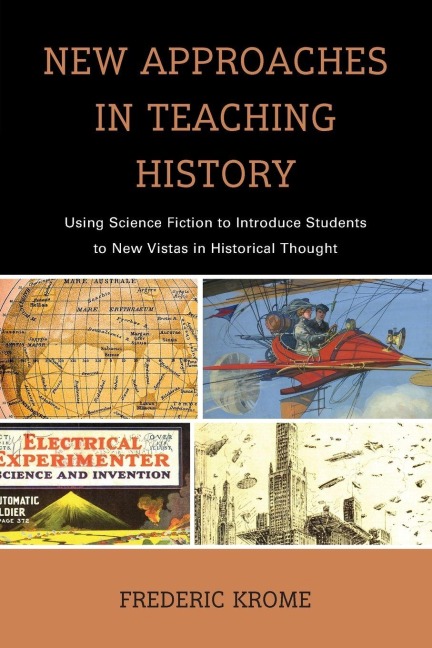
Science fiction literature and film are an underappreciated source for the teaching of history. Finding material that can excite a student's curiosity can be a key towards greater student engagement, especially among students who are taking history as a requirement, rather than from interest. The discovery that they can read or watch science fiction as part of their classwork often comes as a pleasant surprise. Beyond its popularity, however, utilizing science fiction for class assignments has certain pedagogical advantages: it introduces students to new vistas in historical thought, helps them learn how literature and film can be applied as a primary source, and can encourage participation in projects that are enjoyable. Each chapter provides case studies focusing on a different subject in the modern history curriculum and in addition to providing an analysis of specific texts and/or cinematic sources, gives suggestions on assignments for the students.
Frederic Krome is a professor of history at the University of Cincinnati Clermont College. In addition to using science fiction films and texts extensively in his teaching, he is the editor of Fighting the Future War: An Anthology of Science Fiction War Stories, 1914-45 (2011), which provides an introduction on how to use science fiction as a primary source in historical research.
Preface Acknowledgments Chapter One: Using Science Fiction Stories and Film in the History Classroom Chapter Two: Nationalism, Racism, and Imperialism in the Science Fiction of Jules Verne Chapter Three: Invaders from the Red Planet to We're the Martians Now: War of the Worlds in a Variety of Incarnations. Chapter Four: Things to Come: The Fall and Rise of Civilization in the Future War Primary Source Analysis of a Future War Tale Chapter Five: Science Fiction and the Holocaust Chapter Six: Mutations and Monsters: Cold War Anxiety in the 1950s and 60s Chapter Seven: From Starship Troopers to the Forever War Primary Source Analysis: A Photo Essay on the Atomic Battlefield Chapter Eight: From Dune (1965) to The Ministry for the Future (2020): Environmentalism in Science Fiction Chapter Nine: Confronting the Color Line: Afrofuturism, Science Fiction, and Dissent Conclusion: A Brief How-To Guide Bibliography About the Author