Stöbern
genialokal zum Startbildschirm hinzufügen
Installieren Sie die genialokal App auf Ihrem Startbildschirm für einen schnellen Zugriff und eine komfortable Nutzung.
Installieren Sie die genialokal App auf Ihrem Startbildschirm für einen schnellen Zugriff und eine komfortable Nutzung.
Tippen Sie einfach auf Teilen:
 Und dann auf "Zum Home-Bildschirm [+]".
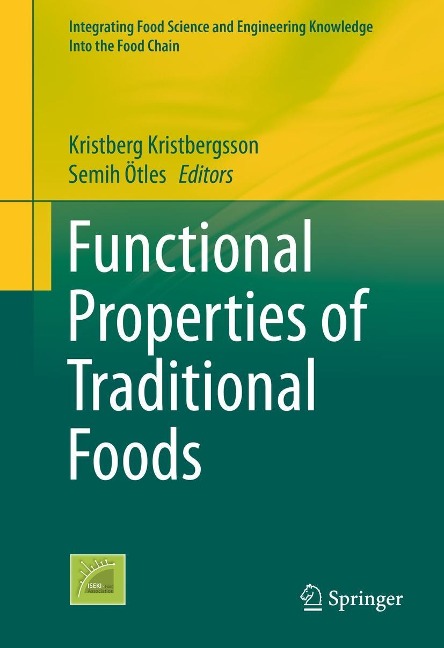
This third book in the Trilogy of Traditional Foods, part of the ISEKI Food Series, covers the beneficial properties of functional foods from across the world. The volume is divided into four sections that address different key topics in the area of study. Part I provides a general overview of the material, with chapters on functional aspects of antioxidants and probiotics in traditional food. This section also includes chapters on the potential health benefits of Thai, Slovak and Turkish traditional foods. Part II contains eight chapters on cereal-based foods, including chapters on Carob flour, products from Mexican Chia, and the ancient grain Cañahua. Part III is devoted to plant based foods and includes chapters on dates from Israel, medical properties of cactus products from Mexico, beneficial properties of Mastic gum from the Greek island Chios, and the properties of Argan oil from Morocco. Part IV focuses on Honey and Beverages, with chapters on functional and nutritional properties of honey and the properties of Camellia tea, as well as the Spanish drink Horchata De Chufa. The purpose of the book is to describe and sometimes evaluate properties of foods that native consumers have believed to be beneficial. All chapters are written by practicing Food Scientists or Engineers but are written with the interested general public in mind.The book should cater to the practicing food professional as well as all who are interested in beneficial properties of traditional foods. About the Editors Kristberg Kristbergsson is Professor of Food Science at the Department of Food Science and Nutrition at the University of Iceland. Dr. Kristbergsson has a BS in Food Science from the Department of Chemistry at the University of Iceland and earned his MS, M.Phil and PhD in Food Science from Rutgers University. His research interests includephysicochemical propertiesof foods, new processing methods for sea foods, modernization of traditional food processes, safety and environmental aspects of food processing, extrusion cooking, shelf-life and packaging,biopolymers in foods and delivery systems for bioactive compounds. Semih Ötles is Professor of Food Chemistry at the Department of Food Engineering, Ege University and Vice Rector of Ege University. Dr.Otles has a BSc in Food Engineering, MSc in Food Science, and PhD in Food Chemistry from Ege University. His research interests include traditional and functional foods, novel instrumental food analysis, nutrients in food processing, honey & bee products, nutraceuticals, smart & intelligent packaging, nanotechnology in food applications and biosensors.
Kristberg Kristbergsson is Professor of Food Science at the Department of Food Science and Nutrition at the University of Iceland. Dr. Kristbergsson has a BS in Food Science from the Department of Chemistry at the University of Iceland and earned his MS, M. Phil and PhD in Food Science from Rutgers University. His research interests include physicochemical properties of foods, new processing methods for sea foods, modernization of traditional food processes, safety and environmental aspects of food processing, extrusion cooking, shelf-life and packaging, biopolymers in foods and delivery systems for bioactive compounds. Semih Ötles is Professor of Food Chemistry at the Department of Food Engineering, Ege University and Vice Rector of Ege University. Dr. Ötles has a BSc in Food Engineering, MSc in Food Science, and PhD in Food Chemistry from Ege University. His research interests include traditional and functional foods, novel instrumental food analysis, nutrients in food processing, honey & bee products, nutraceuticals, smart & intelligent packaging, nanotechnology in food applications and biosensors.
Part I: General Functional Properties of Foods.- 1. Functional Aspects of Antioxidants in Traditional Food.- 2. Probiotics and Prebiotics in Traditional Food.-3. Bioenrichment of Vitamin B12 in Fermented Foods.- 4. The Potential Health Benefits of Traditional Thai Fermented Foods and Beverages.- 5. Traditional Slovak Products as Functional Foods.- 6. Functional and Nutritional Properties of Some Turkish Traditional Foods.- Part II: Functional Properties of Cereal and Flour Foods.- 7. Functional Aspects of Carob Flour.- 8. Salvia Hispanica: Nutritional and Functional Potential.- 9. Cañahua: An Ancient Grain for New Foods.- 10. Chemical Characterization of Mexican Chia (Salvia hispanica L.) Flour.- 11. Functional and Beneficial Properties of corn Tortilla.- 12. Boza a Traditional Cereal-Based Fermented Beverage; a Rich Source of Probiotics and Bacteriocin Producing Lactic Acid Bacteria.- 13. Nutraceutical Properties of Amaranth and Chia Seeds.- 14. Biofunctionality of Chia (