Und dann auf "Zum Home-Bildschirm [+]".

Stöbern
genialokal zum Startbildschirm hinzufügen
Installieren Sie die genialokal App auf Ihrem Startbildschirm für einen schnellen Zugriff und eine komfortable Nutzung.
Installieren Sie die genialokal App auf Ihrem Startbildschirm für einen schnellen Zugriff und eine komfortable Nutzung.

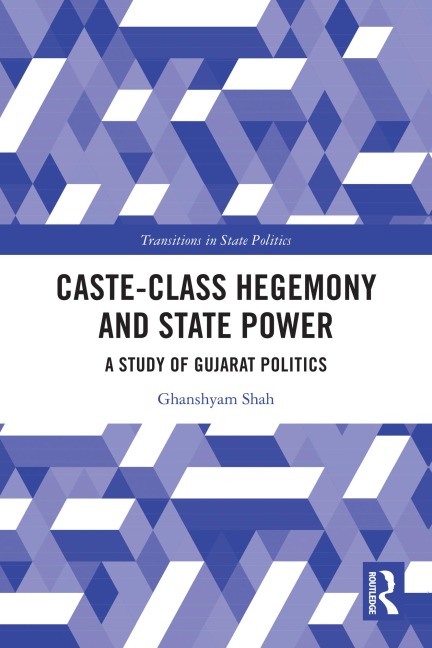
The book analyses the politics and socio-cultural forces in Gujarat over the last five decades. It examines the trajectory of Hindu nationalism, explores the catalytic factors behind its growth and shows how the middle class plays an important role in electoral politics in India. It argues that the elite of the middle class - who led the freedom movement and are at the forefront of all political parties in the post-independence era - in collusion with the upper class and classes control and manage the avenues of production of information and knowledge and also agencies for the dissemination of information media as well as the education system enabling Brahmanic hegemony. A comprehensive analysis of the state level political process of the growth of ethnic nationalism in India, the volume will be of great interest to scholars and researchers of politics, especially political sociology and South Asian studies.
Ghanshyam Shah is retired Professor, Jawaharlal Nehru University, New Delhi, India. He was formerly Director and Professor at the Centre for Social Studies, Surat, India; Dr. Ambedkar Chair Professor at L.B. Shastri National Academy, Mussoorie, India; Fellow in Residence at the Netherlands Institute of Advanced Study, Wassenaar; and National Fellow of the Indian Council of Social Science Research and the Indian Institute of Advanced Study, Shimla, India. The books he has authored or edited include Caste Association and Political Process (1975), Caste and Democratic Politics in India (2001 and 2004), Democracy, Civil society and Governance (2019) and (with Jan Breman) Gujarat, Cradle and Harbinger of Identity Politics (2022).
1. Introduction 2. Dominance and hegemony under the Colonial State 3. Gujarat Congress system and consolidation of dominant caste-classes 4. Radical Populist vs Moralist Politics 5. KHAM (OBCs) and Samrasta (Assimilation) politics 6. Naya Gujarat: Vikas, Asmita and Militant Hinduism 7. BJP's victory and intra-party power struggle 8. Emergence of the Hindu Hardya Samrat 9. Vikas Purush: Hindutva-Vikas Synergy 10. Consolidation of power and marketing Gujarat model 11. Partisan State: Patidar and Dalit agitations 12. Triumph of Samrasta and Vikas electoral politics 13. Epilogue