Und dann auf "Zum Home-Bildschirm [+]".

Stöbern
genialokal zum Startbildschirm hinzufügen
Installieren Sie die genialokal App auf Ihrem Startbildschirm für einen schnellen Zugriff und eine komfortable Nutzung.
Installieren Sie die genialokal App auf Ihrem Startbildschirm für einen schnellen Zugriff und eine komfortable Nutzung.
Ihr gewünschter Artikel ist in 0 Buchhandlungen vorrätig - wählen Sie hier eine Buchhandlung in Ihrer Nähe aus:

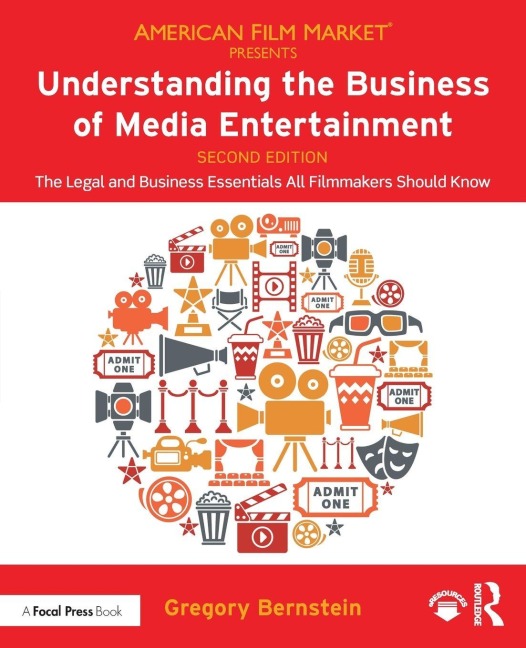
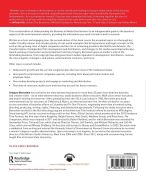
This revised edition offers an indispensable guide to the business and legal aspects of the entertainment industry, from copyright law and government media regulation to development, distribution, revenue, the role of agents, managers, and unions, entertainment contracts, and more.
Gregory Bernstein has worked in the entertainment business for more than 35 years from both the business and creative sides - as an entertainment attorney, studio business affairs executive, WGA union senior executive, and award-winning screenwriter. After graduating from the UCLA Law School in 1980, Bernstein practiced entertainment law for two years at O'Melveny & Myers, an international law firm. He then worked for six years as vice-president of business affairs at Columbia and Tri-Star Pictures, negotiating more than a hundred acting, directing, producing, writing, rights, financing and distribution agreements. Following his studio executive years, Bernstein enrolled in the film directing program at the American Film Institute where he earned an MFA degree. Since leaving AFI, he has received writing credit on four films: Official Secrets, which premiered at the 2019 Sundance Film Festival; the film stars Keira Knightley, Ralph Fiennes, Matt Smith, Matthew Goode, and Rhys Ifans; The Conspirator, which was released in 2011 and directed by Robert Redford, and for which Bernstein was awarded the Humanitas Prize; Trial and Error, which starred Charlize Theron, Jeff Daniels, and Michael Richards; and Call Me Claus, which starred Whoopi Goldberg. He has also sold scripts to Disney and DreamWorks. In 2003, Bernstein took a sabbatical from writing and entered the Kennedy School of Government at Harvard University where he received a master's degree in public administration. Upon returning to Los Angeles, he served as the assistant executive director of the Writers Guild of America, West from 2004 until 2006. Since 2012, along with screenwriting, he has also taught film at Arizona State University.
Introduction Section 1 - Law and Entertainment Chapter 1: Copyright Law Chapter 2: Music Copyright Chapter 3: Copyright and Piracy Chapter 4: International Copyright Chapter 5: First Amendment Law Section 2 - Entertainment Companies: Growth and Power Chapter 6: The FCC and Government Regulation of the Media Chapter 7: Media Growth and Ownership Chapter 8: Unions, Agents and Managers Section 3 - What Studios Do Chapter 9: Development Chapter 10: Distribution Section 4 - Money and Contracts Chapter 11: Gross and Net Proceeds Chapter 12: Entertainment Contracts Chapter 13: Independent Film Development, Financing, Contracts and Distribution Section 5 - Voices Chapter 14: Making It Into the Business Index