Und dann auf "Zum Home-Bildschirm [+]".

Stöbern
genialokal zum Startbildschirm hinzufügen
Installieren Sie die genialokal App auf Ihrem Startbildschirm für einen schnellen Zugriff und eine komfortable Nutzung.
Installieren Sie die genialokal App auf Ihrem Startbildschirm für einen schnellen Zugriff und eine komfortable Nutzung.
Ihr gewünschter Artikel ist in 0 Buchhandlungen vorrätig - wählen Sie hier eine Buchhandlung in Ihrer Nähe aus:

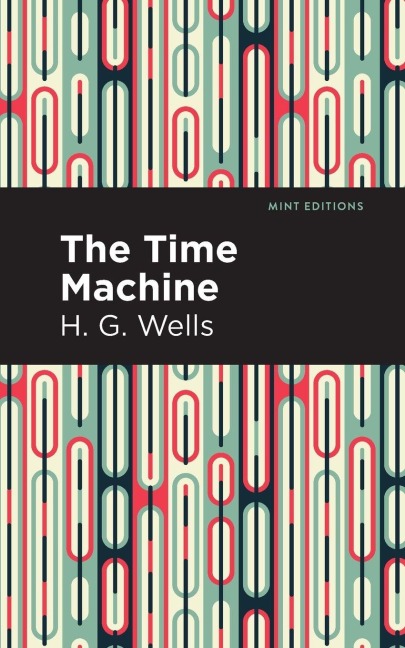
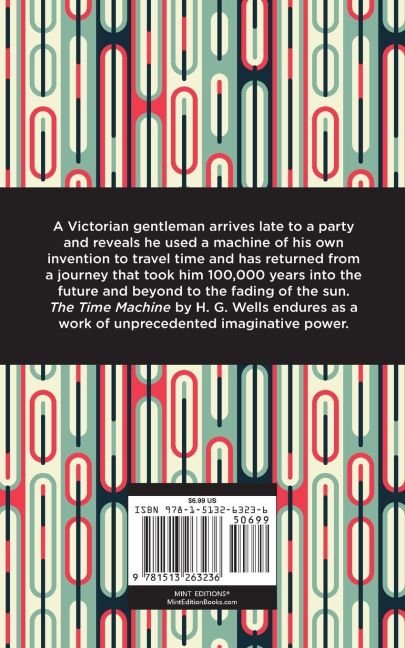
The narrator tells of his incredible journey into the distant future in this landmark of imagination, cornerstone of science fiction and thought provoking look at the possible destiny of humanity. The Time Machine first appeared in 1896 and stunned readers with a vivid narrative studded with vital ideas unlike any seen in print before. The narrator describes a voyage into the future that depicts the disturbing evolution of society, introduces him to strange companions and stranger foes, and eventually stretches into eras so distant that the dying sun shines dull red an unrecognizable landscape. The sheer scope of the author's imagination still provokes delight and has provided impetus for countless time travel narratives since. Since our inception in 2020, Mint Editions has kept sustainability and innovation at the forefront of our mission. Each and every Mint Edition title gets a fresh, professionally typeset manuscript and a dazzling new cover, all while maintaining the integrity of the original book. With thousands of titles in our collection, we aim to spotlight diverse public domain works to help them find modern audiences. Mint Editions celebrates a breadth of literary works, curated from both canonical and overlooked classics from writers around the globe.
H. G. Wells (1866-1946) was an English writer, journalist, and visionary whose works helped establish the foundations of modern science fiction. Trained in science under the biologist T. H. Huxley, Wells combined scientific speculation with imaginative storytelling in novels such as The Time Machine, The War of the Worlds, The Invisible Man, and The Island of Doctor Moreau. His writings explored themes of technological progress, social change, and the future of humanity, making him one of the most influential authors of the late nineteenth and early twentieth centuries.