
Stöbern
genialokal zum Startbildschirm hinzufügen
Installieren Sie die genialokal App auf Ihrem Startbildschirm für einen schnellen Zugriff und eine komfortable Nutzung.
Installieren Sie die genialokal App auf Ihrem Startbildschirm für einen schnellen Zugriff und eine komfortable Nutzung.
Tippen Sie einfach auf Teilen:
 Und dann auf "Zum Home-Bildschirm [+]".
Bei genialokal.de kaufen Sie online bei Ihrer lokalen, inhabergeführten Buchhandlung!
Ihr gewünschter Artikel ist in 0 Buchhandlungen vorrätig - wählen Sie hier eine Buchhandlung in Ihrer Nähe aus:

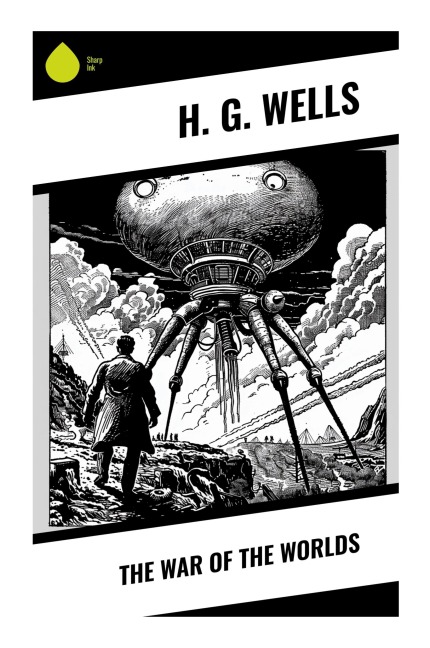
H. G. Wells's "The War of the Worlds" masterfully blends science fiction with social commentary, illustrating the chaos that ensues when extraterrestrial life invades Earth. Set against the backdrop of Victorian England, the narrative employs a first-person account to explore themes of imperialism, survival, and the fragility of human civilization. Wells's pioneering style incorporates rich descriptive language and allegorical elements, making the book not only a thrilling tale of alien encounter but also a poignant critique of contemporary society during the late 19th century, echoing anxieties related to Britain's colonial expansion and technological progress. H. G. Wells, often hailed as the father of modern science fiction, was profoundly influenced by the scientific advancements and societal changes of his time. His background as a social commentator and a keen observer of the human condition prompted him to examine not only the mechanics of alien invasion but also the moral and ethical dilemmas faced by humanity when confronted with the unknown. This deep-seated curiosity about science and society enriched his narrative, allowing for a robust exploration of human resilience and vulnerability. For readers enthralled by speculative fiction and those interested in the intersections of technology and society, "The War of the Worlds" is an essential read. It invites us to reflect on our own world and the potential consequences of our actions while captivating us with its vivid storytelling and imaginative premise.
Herbert George Wells (1866 -1946) was an English writer with the world fame. He was prolific in many genres, wrote dozens of novels, short stories, and works of social commentary, history, satire, biography and autobiography. He is now best remembered for his science fiction novels and is often called the "father of science fiction", along with Jules Verne and the publisher Hugo Gernsback.