Stöbern
genialokal zum Startbildschirm hinzufügen
Installieren Sie die genialokal App auf Ihrem Startbildschirm für einen schnellen Zugriff und eine komfortable Nutzung.
Installieren Sie die genialokal App auf Ihrem Startbildschirm für einen schnellen Zugriff und eine komfortable Nutzung.
Tippen Sie einfach auf Teilen:
 Und dann auf "Zum Home-Bildschirm [+]".
Ihr gewünschter Artikel ist in 0 Buchhandlungen vorrätig - wählen Sie hier eine Buchhandlung in Ihrer Nähe aus:

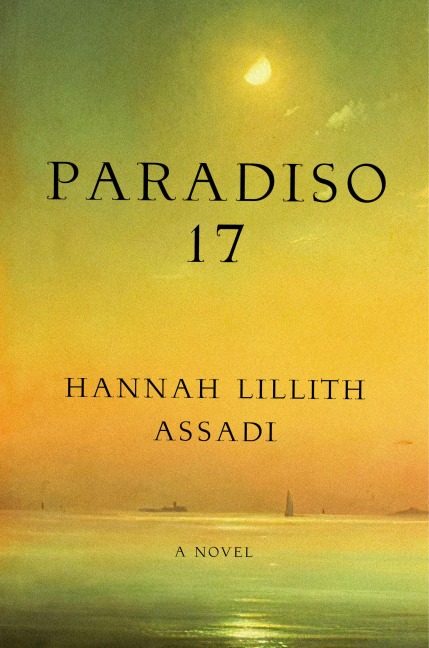
FINALIST FOR THE NATIONAL BOOK AWARD • THE NEW YORK TIMES BOOK REVIEW EDITORS' CHOICE • LONGLISTED FOR THE WOMEN'S PRIZE • The intimate, sweeping tale of one Palestinian man’s restless search for home the world over, as the pendulum of fate swings between loss and life, grief and euphoria, regret and hope "With stunning intimacy, Hannah Lillith Assadi has crafted an unforgettable story about the many stunted afterlives of hyphenated belonging. In this book live some of the most complex characters I’ve read in a long time, and a deeply nuanced exploration of exile as both event and inheritance.” —Omar El Akkad, author of One Day, Everyone Will Have Always Been Against This "Suffused with tenderness." —The New York Times Born in one desert and dying in another, Sufien feels his spirit slipping finally to the next world, which has beckoned him since childhood. But once more, he returns in his mind to the beginning of it all: Palestine. Raised in Safad on the precipice of the 1948 Nakba, Sufien is forced to leave the only home he’s ever known, the one on the hill with a beautiful blue door. This is the precise moment when time stops making sense. He spends the rest of his life propelled forward, always on his way—although to what or where, he is never quite sure. In the dusty, oil-rich desert of Kuwait, he meets his first love and decides he must leave his family. Years later, studying in a small Italian university town, he spends his youth wrapped up in the sweet promise of the West and the forgetful assurance of wine. When life takes him to a gritty New York, he discovers his true vocation and falls for a Jewish woman born into a wholly different world. Finally, he finds himself recalled to the wild, vast open skies of the desert in Arizona. Sufien’s life spans friendships lost and maintained, a stint selling leathers at a tanner’s stall, the ineffable company of cats, the freedom of the open road, the glowing pride of fatherhood, Sufi myths, prophetic dreams, and visions of the afterlife. The lyrical pages of Paradiso 17 weave in and out of time and space, beginning at the end and ending at the beginning. They are kaleidoscopic, haunted with grief, struck through, as Dante once wrote, with “the arrow that the bow of exile / shoots first,” and yet they throb with light—not just the light that Sufien sees as he approaches his own end, but the brilliant light of a life lived. Like all of our dead, Sufien still speaks, the book begins. Listen: This is his story
Hannah Lillith Assadi