
Stöbern
genialokal zum Startbildschirm hinzufügen
Installieren Sie die genialokal App auf Ihrem Startbildschirm für einen schnellen Zugriff und eine komfortable Nutzung.
Installieren Sie die genialokal App auf Ihrem Startbildschirm für einen schnellen Zugriff und eine komfortable Nutzung.
Tippen Sie einfach auf Teilen:
 Und dann auf "Zum Home-Bildschirm [+]".
Bei genialokal.de kaufen Sie online bei Ihrer lokalen, inhabergeführten Buchhandlung!

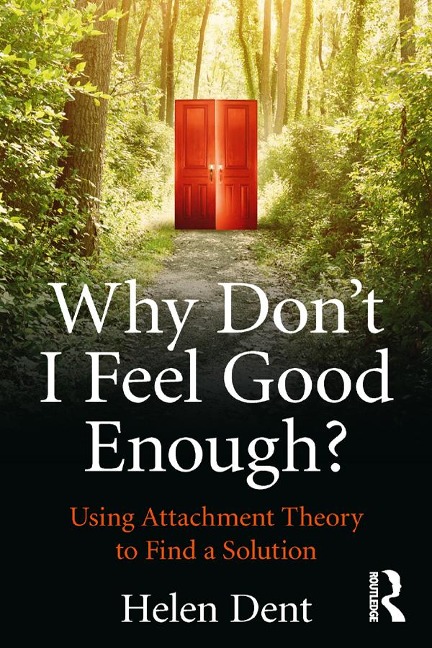
Why Don't I Feel Good Enough? Using Attachment Theory to Find a Solution offers a guide to how early emotional bonds affect our adult relationships and how psychological theory can help us to find the origin and solution to a number of life's problems. Bringing a wealth of therapeutic experience and the latest scientific research, Helen Dent introduces the benefits that understanding attachment theory can bring to all areas of life. You will find this particularly helpful if you struggle with everyday relationships and have difficulties managing your emotions. Using practical guidance, real-life examples and questionnaires to help you locate your own 'attachment style', she provides the tools and guidance to help you move on and develop secure, positive attachments. Why Don't I Feel Good Enough? will be an important guide and resource for psychotherapists, counsellors, clinical psychologists and their clients. It provides a good introduction to attachment theory for professionals in training.
Helen Dent is Emeritus Professor of Clinical and Forensic Psychology at Staffordshire University.
Contents Part One: Why Don't I Feel Good? - How Can I Help You? - Feeling Good - Surviving and Thriving - Attachment Theory - How Attachment Styles are Formed - Attachment Styles in Adulthood Part Two: Taking Action - Mapping My Inner Life - Family History and the Genogram - Working Out My Attachment Style - Putting It All Together - Formulating My Psychological Map Part Three: Becoming Aware of the Hidden Forces in My Relationships - Romantic Partners - Family and Friends - Colleagues - Other Relationships Part Four: Feeling Good - Learning to Take Control of My Life - Taking Care of Myself - Managing My Emotions - Managing My Behaviours - Where Can I Get Further Help? Part Five: Additional Information - Strengths and Limitations of Research Evidence Afterword - Eva, Dan, Jas and Zac... Further Reading References Index List of Figures Figure 2.1 Circles of context Figure 2.2 Johari Window Figure 2.3 Johari Window after Self-Exploration Figure 3.1 The Attachment Cycle - Development of Trust & Secure Attachment Figure 3.1 Development of Emotional Understanding & Regulation Figure 3.1 Development of Shame Figure 3.1 Relationship Repair Figure 4.1 Secure Attachment Style Figure 4.1 Pyramid of Personal Fulfilment Figure 4.1 Anxious Attachment Style Figure 4.1 Avoidant Attachment Style Figure 4.1 Disorganised Attachment Style List of Tables Table 4.1 Labels Given to Infant and Adult Attachment Styles Table 4.2 Bowlby's Original Classification of Attachment Styles Table 5.1 Adult Attachment Behaviours Table 14.1 Universal Emotional States Table 14.1 Forms of Dissociation Table 14.1 Symptoms of Post-Traumatic Stress List of Exercises Exercise 6.1 Assessment Flowchart Exercise 6.2 Genogram Symbols Exercise 6.1 Eva's Genogram Exercise 6.1 Zac's Genogram Exercise 7.1 Attachment Style Vignettes Exercise 7.1 My Attachment Style Questionnaire Exercise 7.1 My Attachment Style Questionnaire - Eva Exercise 7.1 My Attachment Style Questionnaire - Dan Exercise 7.1 My Attachment Style Questionnaire - Jas Exercise 7.1 My Attachment Style Questionnaire - Zac Exercise 8.1 Five P's Formulation Exercise 8.1 Nine Steps Formulation Exercise 8.1 Eva's Formulation Map Exercise 8.1 Dan's Five P's Formulation Exercise 8.1 Jas's Formulation Picture Exercise 8.1 Zac's Formulation Story Exercise 14.1 Jas's Record of Emotions Exercise 15.1 Self-Imposed Barriers to Change Exercise 15.2 ROSE acronym for managing intense emotion Exercise 16.1 Subjective Units of Distress for Measuring Progress a