Und dann auf "Zum Home-Bildschirm [+]".

Stöbern
genialokal zum Startbildschirm hinzufügen
Installieren Sie die genialokal App auf Ihrem Startbildschirm für einen schnellen Zugriff und eine komfortable Nutzung.
Installieren Sie die genialokal App auf Ihrem Startbildschirm für einen schnellen Zugriff und eine komfortable Nutzung.
Ihr gewünschter Artikel ist in 0 Buchhandlungen vorrätig - wählen Sie hier eine Buchhandlung in Ihrer Nähe aus:

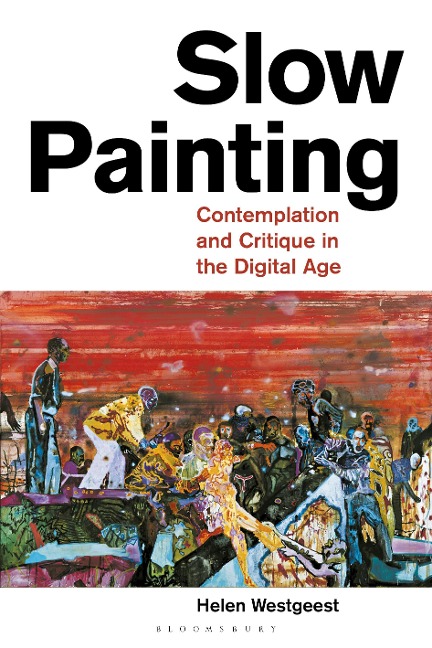
The abundance of images in our everyday lives-and the speed at which they are consumed-seems to have left us unable to critique them. To rectify this situation, artists such as Daniel Richter, Jaune Quick-to-See Smith, and Artur Zmijewski have demonstrated that painting is brilliantly equipped to produce 'slow images' that enable, encourage and reward reflection. In this book, Helen Westgeest attempts to understand how various forms of slow painting can be used as tools to interrogate the visual mediations we encounter daily. Painting was expected to disappear in the digital age but, through interactive painting performances and painting-like manipulated photographs and videos, Westgeest shows how photography, video and new media art have themselves developed the visual strategies that painting had already mastered. Moreover, the fleeting nature of digital mass media appears to have unlocked a desire for more physically stable and enduring pictures, like paintings. Slow Painting charts how, in a world where the constant quest for speed can leave us exhausted, the appeal of this 'slower medium' has only grown.
Helen Westgeest
AcknowledgmentsIntroduction
Part 1: Photographs Transformed into Socio-Critical Paintings
Chapter 1. Paintings Consolidating Fleeting Press PhotosCase-study of Daniel Richter's Phienox (2000) The Fast Immediacy of Action Photography Turned into the Slow Immediacy of Painting ActionsThe Indirectness of Photo-Reproducibility Slowing down the Perception of the Hosting PaintingThe Corporality of Paintings That Include News PhotosBridging Distances in Time through History Painting and Histories of PaintingExperiencing the Absence of Text: Mind the Gap
Chapter 2. Collage Paintings Sparring with Visual PropagandaTwo Case-studies: Kerry James Marshall's Great America (1994) and Jaune Quick-To-See Smith's Spam (1995) Debates on Paintings Including TextCollage Paintings Returning Physicality to Collages in the Digital AgeFeminists' Aversion to and Rediscovery of Painting in Collage PaintingsThe Power of Visual Political Propaganda Interrogated and AppliedThe Rhetoric of Commercials Applied in Collage Paintings
Chapter 3. Slow and Socio-Critical Painting-like Digital PhotographsCase-study of AES+F's Last Riot 2, Tondo #22 (2006)Debates on Digital Imagery's Relationship with PaintingParasitizing on the "Truthfulness" of War Photography and Artistic Truth in History Paintings Space-Time Compressions and "Fakeness" in Constructed Digital Photographs
Part 2: Painting as Socio-Critical Time-Based-Art
Chapter 4. Painting Actions Materializing Social RelationshipsTwo Case-studies: Pawel Althamer's Draftmen's Congress (2012) and Artur Zmijewski's Them (2007)Painting as a Verb: From Action Painting to Painting as Socio-Critical ActionPainting in the Expanded Field: Entering the Space of PaintingsDelegated Performance: The Social Space of Painting
Chapter 5. Socio-Critical Expanded Paintings through Veiling and Unveiling Case-study of Jasmina Metwaly's Tahrir Square: Metro Vent (2011)Video Art's Relationship with Painting The Screen as Canvas: Centripetal Images Evoking Critical ContemplationFunctionally Disturbed Moving Images as Video PaintingsThe Dynamics of Digital Video Technology as Metaphor for Social MemorySlow and Boring Videos Challenging Perception and Interrogating Stillness
Concluding RemarksBibliography