Stöbern
genialokal zum Startbildschirm hinzufügen
Installieren Sie die genialokal App auf Ihrem Startbildschirm für einen schnellen Zugriff und eine komfortable Nutzung.
Installieren Sie die genialokal App auf Ihrem Startbildschirm für einen schnellen Zugriff und eine komfortable Nutzung.
Tippen Sie einfach auf Teilen:
 Und dann auf "Zum Home-Bildschirm [+]".
Ihr gewünschter Artikel ist in 0 Buchhandlungen vorrätig - wählen Sie hier eine Buchhandlung in Ihrer Nähe aus:

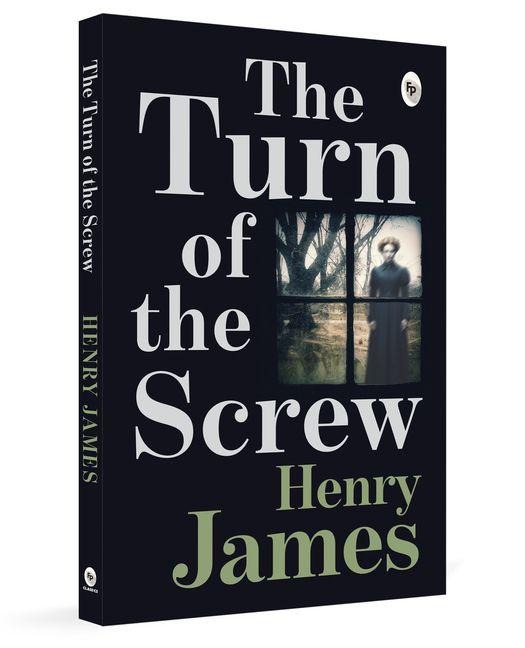
This book is a definitive psychological thriller that masterfully blurs the line between supernatural haunting and mental disintegration, challenging readers to navigate an unsettling, ambiguous world where the true source of evil remains chillingly elusive.
Henry James's The Turn of the Screw is a quintessential gothic masterpiece that redefined the ghost story by anchoring its terrors in the human psyche. The novella follows a young, inexperienced governess sent to a remote English estate to care for two orphaned children, Miles and Flora. What begins as a pastoral retreat quickly spirals into a claustrophobic nightmare as she becomes convinced that the malevolent spirits of two former servants are haunting the grounds and corrupting her charges. James's genius lies in his masterful use of an unreliable narrator; the prose is so layered and ambiguous that the reader is left to wonder if the ghosts are real or merely the manifestations of the governess's own hysteria. It remains a chilling, sophisticated exploration of repressed emotion, innocence, and the nature of evil.
Henry James (1843-1916) was an American-born author and a central figure of 19th-century literary realism. Often described as a "master of the psychological novel," he specialized in exploring the internal lives and nuanced social maneuvers of his characters. His work frequently examined the "international theme," contrasting the perceived innocence of the New World with the sophisticated, often corrupt, traditions of Europe. Masterpieces like The Portrait of a Lady and The Turn of the Screw showcase his innovative use of the "unreliable narrator" and his profound influence on the development of modern fiction.