Und dann auf "Zum Home-Bildschirm [+]".

Stöbern
genialokal zum Startbildschirm hinzufügen
Installieren Sie die genialokal App auf Ihrem Startbildschirm für einen schnellen Zugriff und eine komfortable Nutzung.
Installieren Sie die genialokal App auf Ihrem Startbildschirm für einen schnellen Zugriff und eine komfortable Nutzung.
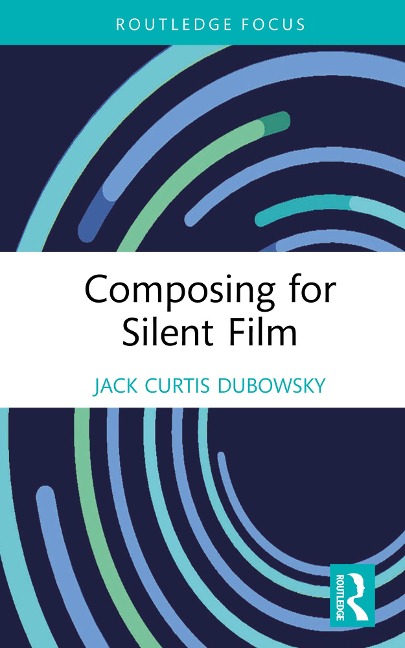
Composing for Silent Film offers insight, information, and techniques for contemporary composition, arrangement, and live score performance for period silent film. A specialized music composition guide, this book complements existing film scoring and contemporary music composition texts. This book helps today's composers better understand and correctly interpret period silent film, and to create and perform live scores that align with films' original intentions, so that audiences notice and grasp fine points of the original film. Composing for Silent Film analyzes period silent film and its conventions - from Delsarte acting gestures to period fascinations and subtexts. As a practical composition text, it weighs varying approaches, including improvisation, through-scoring, "mickey-mousing," handling dialogue, and dividing roles amongst players. It steers composers towards informed understanding of silent film, and encourages them to deploy contemporary styles and techniques in exciting ways. For clarity and concision, examples are limited to nine canonical silents: Metropolis, Dr. Jekyll and Mr. Hyde, The Mark of Zorro, Sunrise: A Song of Two Humans, The Black Pirate, Nosferatu, The Phantom Carriage, Daisy Doodad's Dial, and The Golem.
Jack Curtis Dubowsky is a composer, author, music editor, educator, and filmmaker. Books include Intersecting Film, Music, and Queerness and Easy Listening and Film Scoring 1948-78 (Routledge 2021). Dubowsky is a member of the Academy of Television Arts and Sciences, the Recording Academy, the Motion Picture Editors Guild, and a fellow of the Virginia Center for the Creative Arts.
Chapter 1. Silent Film Conventions Issues and cultural contexts of the silent period Intertitles Acting style Special effects Editing conventions Chapter 2. Preparation Techniques Watching in silence Repetitive viewing Formalist reading Apparatus theory Studying the cultural context of the film Chapter 3. Planning a Score: Approaches and Considerations Choice of ensemble Responsiveness and Mickey-mousing Incorporating improvisation Notation techniques Planning themes Dividing duties among players Chapter 4. Finding and Choosing Opportunities Exploiting or avoiding clichés Choosing what to play or hit Leading or not leading Environmental effects Emotional readings Comedy Chases The End Glossary
Dieses eBook wird im PDF-Format geliefert und ist mit einem Adobe Kopierschutz (DRM) versehen. Sie können dieses eBook mit allen Geräten lesen, die das PDF-Format und den Adobe Kopierschutz (DRM) unterstützen.
Zum Beispiel mit den folgenden Geräten:
• tolino Reader
Laden Sie das eBook direkt über den Reader-Shop auf dem tolino herunter oder übertragen Sie das eBook auf Ihren tolino mit einer kostenlosen Software wie beispielsweise Adobe Digital Editions.
• Sony Reader & andere eBook Reader
Laden Sie das eBook direkt über den Reader-Shop herunter oder übertragen Sie das eBook mit der kostenlosen Software Sony READER FOR PC/Mac oder Adobe Digital Editions auf ein Standard-Lesegeräte mit epub- und Adobe DRM-Unterstützung.
• Tablets & Smartphones
Möchten Sie dieses eBook auf Ihrem Smartphone oder Tablet lesen, finden Sie hier unsere kostenlose Lese-App für iPhone/iPad und Android Smartphone/Tablets.
• PC & Mac
Lesen Sie das eBook direkt nach dem Herunterladen mit einer kostenlosen Lesesoftware, beispielsweise Adobe Digital Editions, Sony READER FOR PC/Mac oder direkt über Ihre eBook-Bibliothek in Ihrem Konto unter „Meine eBooks“ - „online lesen“.
Schalten Sie das eBook mit Ihrer persönlichen Adobe ID auf bis zu sechs Geräten gleichzeitig frei.
Bitte beachten Sie, dass die Kindle-Geräte das Format nicht unterstützen und dieses eBook somit nicht auf Kindle-Geräten lesbar ist.