
Stöbern
genialokal zum Startbildschirm hinzufügen
Installieren Sie die genialokal App auf Ihrem Startbildschirm für einen schnellen Zugriff und eine komfortable Nutzung.
Installieren Sie die genialokal App auf Ihrem Startbildschirm für einen schnellen Zugriff und eine komfortable Nutzung.
Tippen Sie einfach auf Teilen:
 Und dann auf "Zum Home-Bildschirm [+]".
Bei genialokal.de kaufen Sie online bei Ihrer lokalen, inhabergeführten Buchhandlung!

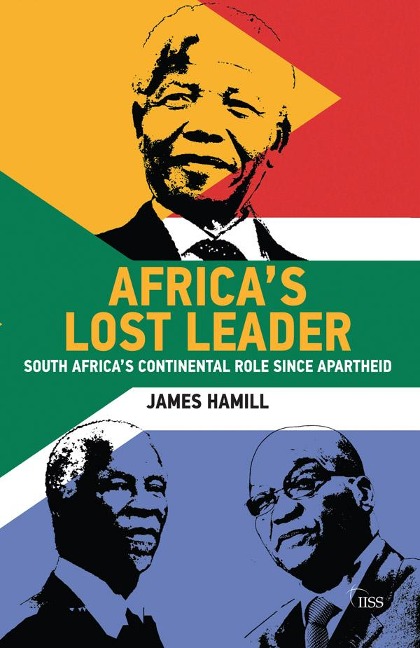
When Nelson Mandela was sworn in as president on 10 May 1994, South Africa enjoyed an unprecedented global standing. Much of the international community, particularly Western states, saw the new South Africa as well equipped to play a dynamic and dominant role on the continent; promoting conflict resolution, economic development, and acting as a standard-bearer for democracy and human rights.Yet, throughout the presidencies of Nelson Mandela, Thabo Mbeki and Jacob Zuma, South Africa has failed to deliver on this early promise. Its continental primacy has been circumscribed by its own reluctance to lead, combined with widespread African hostility to its economic expansion, antipathy towards its democratic ideals and scepticism about its suitability as Africäs global representative. With an onerous domestic agenda, as it continues to tackle the profound socio-economic legacies of apartheid, and with its military power also on the wane, South Africa must now adapt to an emerging multipolarity on the continent. This transition - which may produce a new concert of African powers working in constructive collaboration or lead to fragmentation, discord and gridlock - is likely to determine Africäs prospects for decades to come.This Adelphi book squarely challenges the received wisdom that South Africa is a dominant power in Africa. It explores the country-s complex and difficult relationship with the rest of the continent in the post-apartheid era and examines the ways in which the country has struggled to translate its economic, military and diplomatic weight into tangible foreign policy successes and enduring influence on the ground. The conclusions of this book will be valuable to academics, policymakers, journalists, and business leaders seeking to understand the evolution and trajectory of South African policy in Africa.
Introduction - South Africa as a hegemonic power Chapter One - Tentative hegemony from Mandela to Zuma Chapter Two - South Africäs image problem in Africa Chapter Three - The African Renaissance versus the South African Renaissance Chapter Four - The plight of the South African National Defence Force Conclusion - South Africa in Africa: The challenges of the new multipolarity