Und dann auf "Zum Home-Bildschirm [+]".

Stöbern
genialokal zum Startbildschirm hinzufügen
Installieren Sie die genialokal App auf Ihrem Startbildschirm für einen schnellen Zugriff und eine komfortable Nutzung.
Installieren Sie die genialokal App auf Ihrem Startbildschirm für einen schnellen Zugriff und eine komfortable Nutzung.
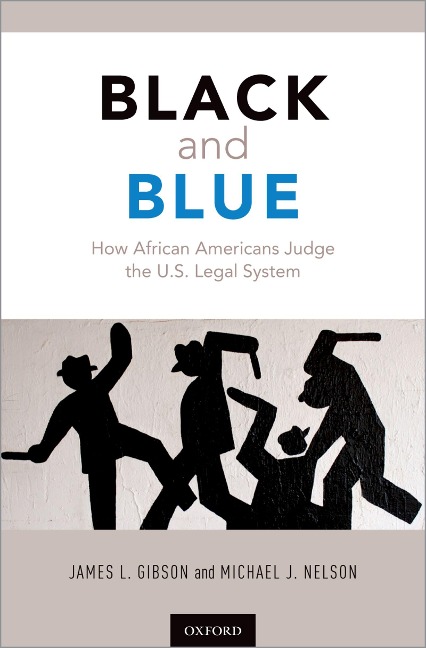
The American legal system is experiencing a period of extreme stress, if not crisis, as it seems to be losing its legitimacy with at least some segments of its constituency. Nowhere is this legitimacy deficit more apparent than in a portion of the African American community in the U.S., as incidents of police killing black suspects - whether legally justified or not - have become almost routine. However, this legitimacy deficit has largely been documented through anecdotal evidence and a steady drumbeat of journalistic reports, not rigorous scientific research. This book offers an all-inclusive account of how and why African Americans differ in their willingness to ascribe legitimacy to legal institutions, as well as in their willingness to accept the policy decisions those institutions promulgate.
Based on two nationally-representative samples of African Americans, this book ties together four dominant theories of public opinion: Legitimacy Theory, Social Identity Theory, theories of adulthood political socialization and learning through experience, and information processing theories. The findings reveal a gaping chasm in legal legitimacy between black and white Americans. More importantly, black people themselves differ in their perceptions of legal legitimacy. Group identities and experiences with legal authorities play a crucial role in shaping whether and how black people extend legitimacy to the legal institutions that so much affect them.
This book is one of the most comprehensive analyses produced to date of legal legitimacy within the American black community, with many surprising and counter-intuitive results.
James L. Gibson is the Sidney W. Souers Professor of Government in the Department of Political Science at Washington University in St. Louis. He is also Professor Extraordinary in Political Science, and Fellow, Centre for Comparative and International Politics, Stellenbosch University (South Africa). Gibson's research interests are in law and politics, comparative politics, and american politics. In 2011, Gibson received the Lifetime Achievement Award from the Law and Courts Section of the American Political Science Association. Michael J. Nelson is Jeffrey L. Hyde and Sharon D. Hyde and Political Science Board of Visitors Early Career Professor in Political Science and Affiliate Law Faculty at Pennsylvania State University. He studies public support for the legal system and how judicial elections affect the development of the law.
Preface and Acknowledgements List of Figures and Tables
Chapter One: The Legal System and its African American Constituents Chapter Two: Inter-Racial Differences in the Legitimacy of the U.S. Supreme Court Chapter Three: Group Identities and Experiences with Legal Authorities Chapter Four: Have Ferguson, et al., Contaminated Black Support for Legal Institutions? Chapter Five: Symbols of Justice or of Social Control? Legal Authority and the Views of African Americans Chapter Six: Change in the Legitimacy of the U.S. Supreme Court Chapter Seven: Questions: Answered and Unanswered
Appendix A: The Survey of African Americans References Index
Dieses eBook wird im PDF-Format geliefert und ist mit einem Adobe Kopierschutz (DRM) versehen. Sie können dieses eBook mit allen Geräten lesen, die das PDF-Format und den Adobe Kopierschutz (DRM) unterstützen.
Zum Beispiel mit den folgenden Geräten:
• tolino Reader
Laden Sie das eBook direkt über den Reader-Shop auf dem tolino herunter oder übertragen Sie das eBook auf Ihren tolino mit einer kostenlosen Software wie beispielsweise Adobe Digital Editions.
• Sony Reader & andere eBook Reader
Laden Sie das eBook direkt über den Reader-Shop herunter oder übertragen Sie das eBook mit der kostenlosen Software Sony READER FOR PC/Mac oder Adobe Digital Editions auf ein Standard-Lesegeräte mit epub- und Adobe DRM-Unterstützung.
• Tablets & Smartphones
Möchten Sie dieses eBook auf Ihrem Smartphone oder Tablet lesen, finden Sie hier unsere kostenlose Lese-App für iPhone/iPad und Android Smartphone/Tablets.
• PC & Mac
Lesen Sie das eBook direkt nach dem Herunterladen mit einer kostenlosen Lesesoftware, beispielsweise Adobe Digital Editions, Sony READER FOR PC/Mac oder direkt über Ihre eBook-Bibliothek in Ihrem Konto unter „Meine eBooks“ - „online lesen“.
Schalten Sie das eBook mit Ihrer persönlichen Adobe ID auf bis zu sechs Geräten gleichzeitig frei.
Bitte beachten Sie, dass die Kindle-Geräte das Format nicht unterstützen und dieses eBook somit nicht auf Kindle-Geräten lesbar ist.